















Building a Feminist Internet: A Call to Action for 2025
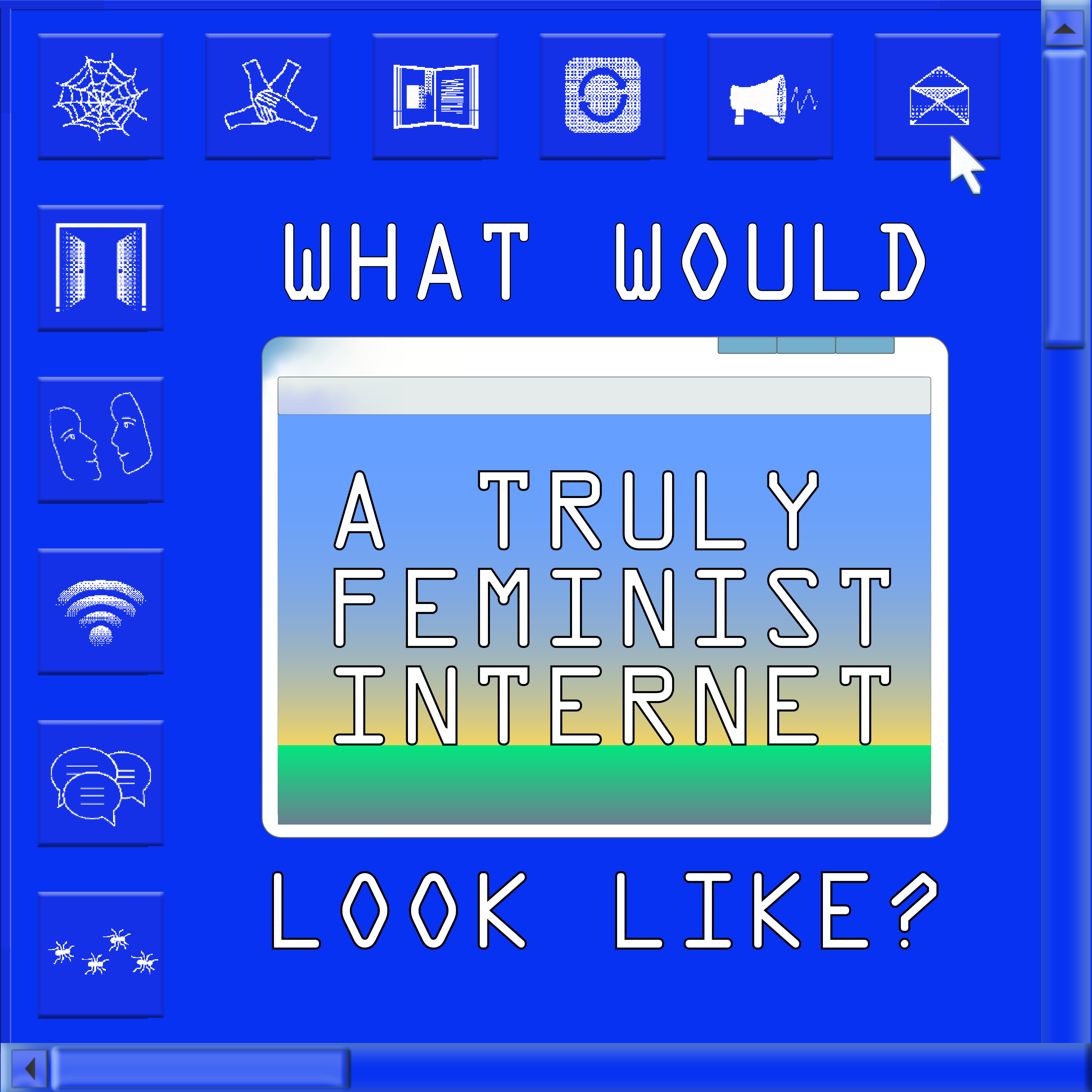
The internet was supposed to be the great equalizer, a place where ideas flow freely, knowledge is accessible, and everyone has a voice. Instead, it has become another battleground where power is hoarded by those who profit from inequality. Marginalized voices are silenced, and offline systems of oppression, such as patriarchy and white supremacy, are not just replicated but amplified.
Feminist digital spaces, from independent media platforms to community-led activist networks, are being pushed to the margins while harmful narratives thrive. In fact, platforms like Instagram and TikTok have repeatedly censored feminist and LGBTQ+ content, while research from University College London found that social media algorithms amplify extreme content, including misogynistic posts, steering users toward sexist and regressive material. Red pill ideology, a toxic online movement rooted in male supremacy, flourishes unchecked. It spreads the belief that feminism is a threat, fueling harassment campaigns and reinforcing misogynistic worldviews. Meanwhile, the rise of “traditional wife” content repackages outdated gender roles as aspirational.
Online harassment against women, nonbinary, queer, and trans people isn’t just common; it’s routine. A 2021 Pew Research Center study found that 33% of women under 35 have experienced online sexual harassment, while Amnesty International has documented widespread abuse targeting feminist activists and journalists.
None of this is a glitch in the system. This is the system working exactly as designed.
But here’s what those in power don’t want you to know. A feminist internet isn’t a utopian dream. It is a fight for survival, for justice, for a digital space that serves all of us, not just the privileged few. And it is already happening; people like you are already fighting for it. When Afghan women were forced out of public life, they turned to social media, their songs of protest reaching global audiences. Palestinian activists fight algorithmic suppression daily, ensuring their stories break through despite coordinated erasure. Black women propelled movements like #MeToo and #SayHerName, reshaping cultural conversations about justice. Indigenous creators are reclaiming storytelling on platforms designed to erase them.
The problem isn’t that resistance is impossible. The problem is that the systems governing the internet were never built for us, for people who have been excluded from shaping it. That is exactly why we must dismantle them. The only question is, will you stand with us?
One of the most powerful tools we have in this fight is Wikipedia. As the world’s largest free knowledge platform, Wikipedia has the potential to democratize information, ensuring that feminist histories, marginalized voices, and underrepresented perspectives are not only documented but widely accessible. However, like the internet itself, Wikipedia is not immune to bias. Women, nonbinary people, and people of color are underrepresented both in its content and among its contributors. Feminist organizations like the Association for Progressive Communications and advocates like Florencia Goldsman have been laying the groundwork for years. Now, it is time to build on that foundation and scale it globally.
Through edit-a-thons, workshops, and community collaborations, Art+Feminism, a movement without borders with regional leaders in every corner of the world, trains and empowers people to edit Wikipedia, ensuring that knowledge production is not left in the hands of the few but opened up to everyone who wants to contribute to a more just and accurate representation of history and culture. One of our fastest-growing communities is in Africa, where activists are reclaiming digital space and ensuring their histories and stories are preserved. Across Latin America, Southeast Asia, the Middle East, and North America, feminist activists are refusing to be erased.
If you are an artist, a technologist, a writer, a GLAM professional, or an activist, this fight needs you. If you have ever felt silenced, pushed out, or erased, this movement is yours. The internet is the battleground where our stories, histories, and futures are shaped. Either we fight for it, or we let it be shaped for us. The choice is ours. Let’s write our future and right the digital injustices that threaten it.
Even if you do not know the first thing about Wikipedia or digital activism, there is something you can do. Because this movement belongs to you. Read our full campaign statement here and email us at info@artandfeminism.org to join the movement.
More articles by Category: Feminism
More articles by Tag: Internet governance, Wikipedia


