















Beyond Western Headlines About Pakistani Women
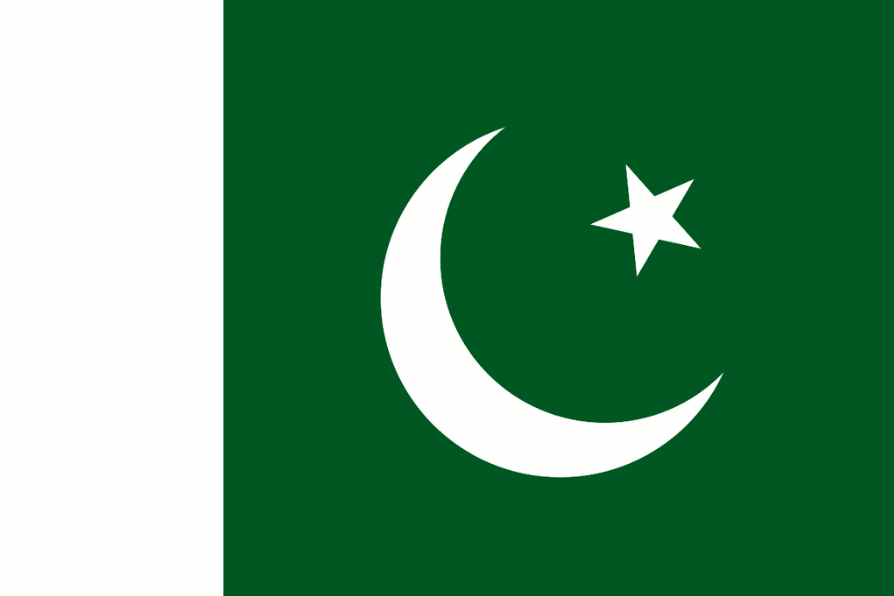
Last summer in Pakistan, I met a 17-year-old girl who had just finished memorizing the Qur’an. Her voice was both proud and calm as she told me she had won a local recitation competition. She described standing before her community, hands trembling, as she began to recite the verses she had spent years learning by heart. When she finished, the crowd rose to its feet in applause. “It felt like my voice finally mattered,” she told me.
Stories like hers, stories of women for whom empowerment looks different than protest and more like knowledge, patience, and conviction, rarely appear in Western media headlines. Western media often reduces Pakistani women to one of two extremes: silent victims or rebels fighting against their culture.
For instance, international coverage of the 2025 killing of Pakistani TikTok influencer Sana Yousaf largely framed her story through violence and victimhood, emphasizing the dangers women face rather than her agency or voice. On the other end of the spectrum, Western reporting on Baloch women leading long-distance protests for enforced disappearances portrayed them primarily as rebels challenging state and cultural authority.
The girl I met was neither of those stereotypes. Her strength came through faith, not from fighting against it. Her memorization was not an act of submission but one of mastery, one that brought her respect, purpose, and power. Western media all too often leaves little room for stories like hers — of women whose empowerment emerges quietly through education, faith, and everyday acts of conviction.
And she’s not alone; across Pakistan, many women are rewriting what empowerment looks like and displaying courage that often goes unseen by the mainstream media. In Lahore and other cities, initiatives like Sehat Kahani, a telemedicine network led by female doctors and health workers, are running community health clinics and connecting women in underserved areas with medical care. Female clinicians and health workers in Lahore have also been trained to provide survivor-centred support for women experiencing gender-based violence, showing an integration of care and empowerment at the community level. In Sindh, community midwives are expanding access to reproductive and family-planning services across rural homes. In Karachi, women journalists continue to report on issues such as gender-based violence despite facing harassment and barriers, supported by organizations like the Women Media Center, which strengthens the role of women in Pakistani media.
Yes, patriarchy exists. It shapes many decisions in women’s lives, including access to education, freedom of movement, and who is granted authority within families and communities. Yet many Pakistani women have learned to navigate these constraints, finding room to lead within families, schools, and religious spaces. The girl who won the Qur’an recitation competition gained a new form of authority specifically through winning the competition, which publicly demonstrated her religious knowledge. As a result, members of her community began coming to her for guidance and asking her to teach their children. In this way, knowledge became her form of independence, as it allowed her voice to carry influence and respect within her community.
When news outlets show only images of women hidden away or oppressed — or even fighting this oppression through loud protest — they erase this quiet power. They overlook how women negotiate dignity in complex ways, blending faith with ambition and family with independence. By framing empowerment only in Western terms, the media misses how deeply Pakistani feminism is tied to community, spirituality, and endurance.
For Pakistani women living abroad, these stereotypes are personal. At community gatherings in the United States, I have seen women shake their heads at coverage that portrays Pakistan as a place where women have no agency. Many of them were professionals before immigrating, educators and business owners who built their lives around both faith and progress. They know that feminism has many languages and that empowerment cannot be measured by a single definition.
To understand Pakistani women, the world must look beyond current Western headlines about them. Their strength is not confined to rallies or speeches, but is also found in classrooms, in hospitals, in homes, and sometimes in the quiet rhythm of a young woman’s voice reciting sacred words. Her story, and the stories of millions like her, reveal a truth that deserves to be heard: Pakistani women are not waiting to be empowered. They already are.
More articles by Category: Media
More articles by Tag: Pakistan


