















AP photo cropping mistake sparks conversation about racism in climate change activism
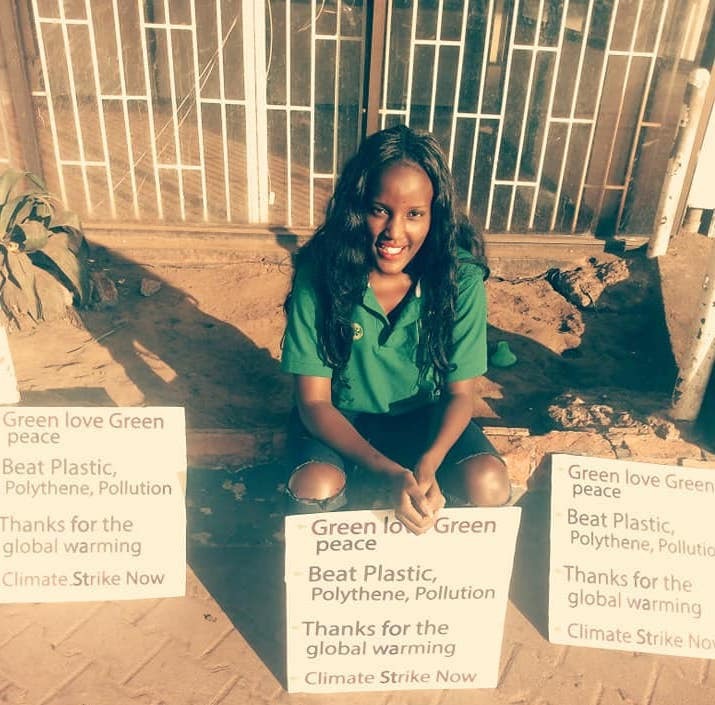
On Friday, Jan. 24, an Associated Press photographer took a picture of five young climate activists who spoke at a press conference at the World Economic Forum. Ugandan activist Vanessa Nakate was one of these activists, and, notably, the only activist of color. But in a report published (and since removed) on Jan. 24, the picture was cropped, excluding Nakate.
Nakate, who is the founder of the climate action groups Youth for Future Africa and the Rise Up Movement, confronted the publication on Twitter, writing, “Why did you remove me from the photo? I was part of the group!" She then posted a video of herself, stating this incident was the first time in her life that she understood the definition of racism.
The photo went viral and sparked controversy on social media. Nakate received an outpouring of support. Climate activist Greta Thunberg responded to Nakate’s tweets by saying, “I’m so sorry they did this to you... you are the last one who would deserve that! We are all so grateful for what you are doing and we all send love and support,” and that she hopes she can see Nakate again soon.
Activist Isabelle Axelsson, who was also part of the press conference with Nakate, responded to the issue by saying, “It has come to my attention that more than one article has cut @vanessa_vash out of the photos. That is unacceptable, her voice is just as, if not more, valuable than ours in a place like this. #ClimateJustice.”
Part W, an action group of women working across architecture and design, infrastructure and construction, responded to the situation by dedicating their week’s Twitter feed to climate activists who are black, Asian, and/or other minorities.
The AP claimed they cropped the photo both to better focus on climate activist Greta Thunberg and to remove a distracting building behind Nakate. Sally Buzbee, the AP’s executive editor, apologized in an AP statement released Friday night. Still, the AP did not remove the original cropped shot from circulation for 24 hours. Buzbee personally sent out another message on Sunday, Jan. 26, stating, “It was a mistake that [the AP team] realize silenced [Vanessa’s] voice,” and that they will work hard to learn from it.
At the same time, this is not the first time people have noticed environmental racism, a term referring to the disproportionate impact of environmental hazards on people of color. A new report from the Environmental Protection Agency found people of color are much more likely to live near polluters and breathe polluted air. These racial disparities also exist in terms of those involved in environmental justice because their input is ignored.
On the upside, the incident garnered Nakate global attention — she now has a following of nearly 140,000 people. It has also forced the AP to recognize issues in their workplace; they reported that they have organized diversity training for staffers in the United States throughout 2020, but Buzbee said she wants staffers all over the world to receive this training as well.
More articles by Category: Environment, Race/Ethnicity
More articles by Tag: Activism and advocacy, Black, Africa, Women of color, Women's leadership


