















Zimbabwe's Droughts Corrode Women's Work/Life Balance
Sandra Matanda’s day normally starts at around 4 a.m. and ends at nearly midnight. She is a government employee in Zimbabwe’s eastern border city of Mutare.
With her monthly salary of less than $200, Matanda, a 36-year-old single mother, cannot afford gas for cooking or to hire someone to help with childcare. And with the advent of more and more droughts that cause crops to fail and food prices to rise dramatically, her money is stretched beyond tight.
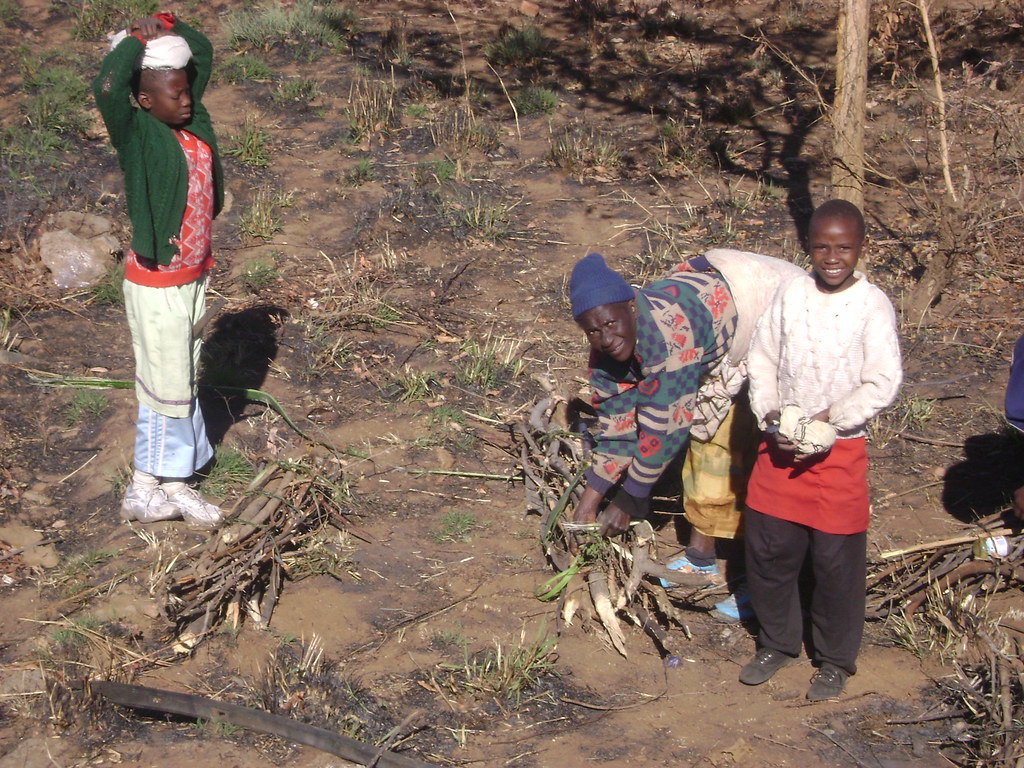
“At times I have to set aside $40 for firewood, which is very expensive considering my meager salary,” said, Matanda, who has two children. “If I do not have the money, I have to walk about three kilometers [about two miles] to our nearest mountain to forage for firewood,” she said.
Zimbabwe, which relies mostly on hydropower, has been increasingly hit by droughts linked to climate change that have plunged the country into serious electricity crises. During crippling droughts between 2015 and 2020, some parts of the country’s cities went without electricity for 18 hours a day and endured severe clean water shortages.
Women like Matanda, who work in the country’s urban areas, often suffer the most from these droughts, which add a third job to the two they already have: their official work and the time they spend — unpaid — taking care of their homes and families. Now they also have to seek out basic necessities like wood and clean water.
“As a formally employed mother, it is very difficult to balance my work life and household chores, especially nowadays, when there are always erratic power supplies,” Matanda said. “This has greatly affected my formal work because most of the time I will be tired from working late and waking up early. I find myself making a lot of mistakes at work — I am stressed and tired.”
Linda Tsungirirai Masarira, a Zimbabwean development and socioeconomic rights activist, said the electricity crisis resulting from climate change has taken a big toll on women and their home lives for decades.
“Considering that most women can no longer afford to have house helpers due to the economic crisis and poor salaries, they have to be an all things in one: mother, maid, worker, wife, and teacher,” said Masarira, who is also the president of LEAD, a Zimbabwean political party. “In such cases, the strain tends to affect their emotional stability and physical ability. Women have a heavy burden to carry in terms of keeping the home afloat and balancing it with work life amid economic challenges.”
At least 40 percent of households in Zimbabwe are female headed, according to the World Bank.
Masarira said that many women were now opting to have fewer children because of the poor economy and added burdens caused by the climate crisis.
“It is difficult to have a big family,” said Masarira, a mother of five. “I am speaking from experience. Women have various reasons why they choose to have smaller families, but the major reason is having a manageable family that one can provide for.”
When Matanda was asked whether she has plans to have more children, she chuckled sadly.
“No, I can’t afford more children,” she said with a sigh. “I’m currently struggling with the two I have.”
More articles by Category: Environment
More articles by Tag: Climate change


