There is plenty of warranted criticism of the New York Times investigation into sexual violence on October 7, but for all the exposé’s ethical shortcomings, its greatest failure was its lack of consideration for the safety, trauma, and dignified treatment of the victims.

Survivors of brutal violence by Islamic State militants played a central role in advocating for reparations from the Iraqi government that failed to protect them, and though they question its ability to implement a reparations program, they have little choice but to hope.

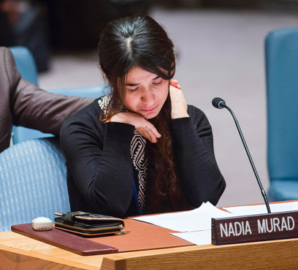
If women have historically been silenced and ignored about experiences of conflict-related sexual violence, the inverse is now true: survivors are being pressured to share their stories, emphasizing heinous details of sexual abuse and little else.