















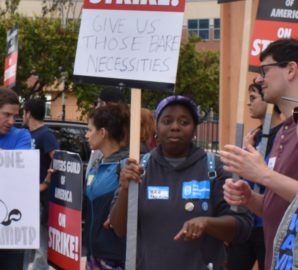
As writers and actors continue their work stoppage, are recent improvements in representation and opportunity in jeopardy?

A new report documents the connection between the hundreds of anti-LGBTQ bills introduced in state legislatures and measures to restrict voter access.

August 1 is International Childfree Day, preceded by the Childfree Convention on July 29 and 30.

Despite challenges, women-only cab service providers are hopeful that they can continue to expand.
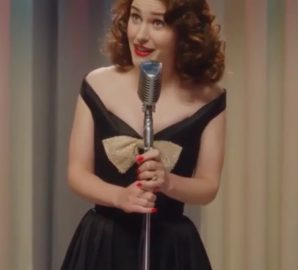
Set in the 1950s and 1960s, the Emmy-winning show wrapped up its five-year run by offering messages relevant to the present.

The bill affirms the legal right to abortion and miscarriage care and would protect patients and providers from criminalization.

Since the Supreme Court overturned Roe v. Wade one year ago, abortion bans and restrictions have resulted in a wide range of negative impacts on obstetric and gynecological care.

This moment of heightened attacks on the LGBTQ+ community reminds us of the real meaning of pride and instructs us on how we can fight back.

The Inclusion List, a first-of-its-kind resource, ranks creators based on cast and crew inclusion.

The United States joins about 80 other countries that have developed national plans; the Biden administration hopes that it will also be used to guide state and local policies.
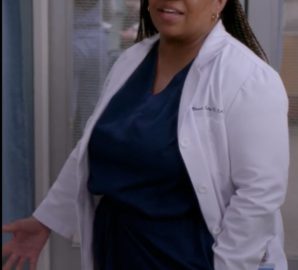
The progress Hollywood has made in recent years in behind-the-scenes and on-screen representation could be reversed if the strike is settled unfavorably for writers.

Since Roe v. Wade was overturned, abortion funds have adapted to the changed landscape to help keep abortion accessible despite restrictions.

Research shows overall drop in abortions since Roe v. Wade was overturned; providers in states where abortion is still accessible are unable to meet all the need for care.
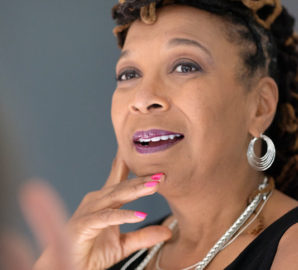
On Wednesday, May 3, the Freedom to Learn National Day of Action will mobilize people to defend the right of students to learn about systemic injustice, as well as ideas that form the basis of social justice movements.
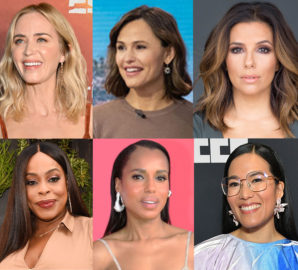
Women who are starring in TV series are taking more creative control in their shows.

The global adaptive clothing market is projected to be worth $348.81 billion by 2024, and women designers are among those leading the way.

Despite what reactionary judges assert, forced birth does not result in significantly more infants being adopted. For too many of these children, their future lies in foster care.

“The Postcard Women’s Imaginarium” is a project that uses women's artwork to offer an alternative narrative to colonial-era postcards that framed MENA women as “exotic.”

Currently, 18 states ban trans girls from participating in girls’ sports. Often framed as offering “fairness” or “protection,” these insidious laws actually harm all women.

When we discount the role of women speakers in U.S. history, we lose out on the diverse mix of voices and views that got us to this point — and we miss out on the knowledge of an inspirational past.

Providers are gearing up for a possible ban on one of the two drugs used in medication abortion, as an anti-abortion group's lawsuit is expected to be decided this week.

As we approach what would have been Toni Morrison’s 92nd birthday, the author reckons with the deep impact of Morrison and her work, and living with the loss of this towering literary and cultural presence.

Several groups are working to create more opportunities for women in the top positions in education.

Mifepristone will be accessible in pharmacies and through the mail, but still-existing regulations may blunt the new policy’s impact.

Two major reports on women’s participation in behind-the-camera jobs shows little progress over many years, as the percentage of women in these principal creative positions still has not topped 25%.