












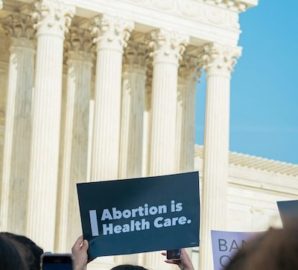
June 24 marks the third anniversary of the Supreme Court decision overturning Roe v. Wade. Three years on, as legislatures in some states impose severe restrictions, advocates and providers are fighting to keep abortion accessible.
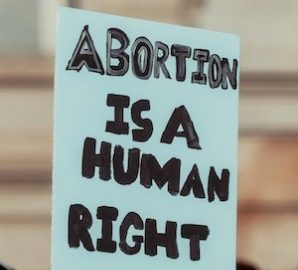
In November, Missouri voters passed a constitutional amendment protecting abortion rights. But anti-abortion lawmakers have been working ever since to find a way to ban abortion once again.

Victims of military domestic violence are filing claims against the Pentagon for damage, injury, and death.

Faculty and students are dealing with the fallout as colleges and universities capitulate to Trump-inspired attacks on free speech and academic inquiry.

Anti-abortion extremists are trying to revive an antiquated 19th-century law to block access to abortion, but new proposed legislation would weaken the law’s effect.

This political moment calls for radical coalition-building, feminist global solidarity, and the use of every tool available to fight against authoritarianism.

We asked leaders to share their ideas about how we can all plan to mobilize, strategize, and protect our hard-won rights in the current political moment.
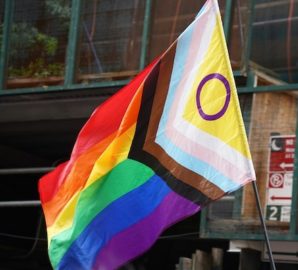
Advocates are preparing to fight back against anti-LGBTQ+ attacks at both the state and federal levels.
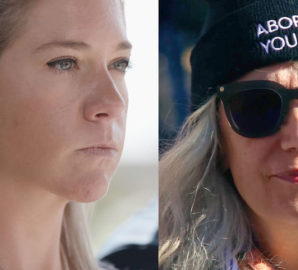
The films, released during the 2024 election campaign, take very different approaches to explore the consequences of the overturning of Roe v. Wade.

The U.S. Supreme Court has eroded the well-established “wall” between religion and government. This is eating away at American identity and imperiling democracy.

For Vice President Kamala Harris to become this country’s first Madam President, voters will have to overcome long-entrenched bias and sexist double standards for women candidates.
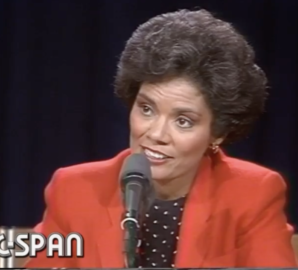

“It's something that's really important to make sure this institution actually works for more younger people and new parents,” said Rep. Sara Jacobs, one of the proposal’s co-sponsors.
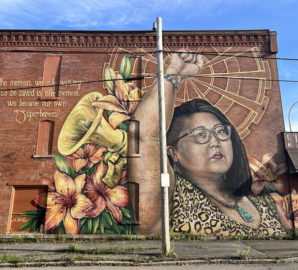
State actions to deny access to abortion show the same patterns of coercive control that women experience in domestic violence.

In the face of poor enforcement of Title IX protections, students are advocating for themselves when it comes to addressing sexual harm at school, off campus, and online.

Advocates are finding that in many states, ballot initiatives are an effective way to restore, protect, or expand abortion rights and access. At least 10 states will see abortion questions on their ballots this year.

“The Dobbs ruling is further accelerating an existing crisis, putting pregnant people at even greater risk of arrest, prosecution, and conviction.”

Generation Ratify is mobilizing thousands of young activists to help get the 28th Amendment over the finish line.

A new report documents the connection between the hundreds of anti-LGBTQ bills introduced in state legislatures and measures to restrict voter access.

The bill affirms the legal right to abortion and miscarriage care and would protect patients and providers from criminalization.

This moment of heightened attacks on the LGBTQ+ community reminds us of the real meaning of pride and instructs us on how we can fight back.
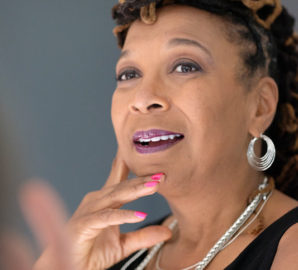
On Wednesday, May 3, the Freedom to Learn National Day of Action will mobilize people to defend the right of students to learn about systemic injustice, as well as ideas that form the basis of social justice movements.

Currently, 18 states ban trans girls from participating in girls’ sports. Often framed as offering “fairness” or “protection,” these insidious laws actually harm all women.
January 20 marks the second anniversary of Kamala Harris’ inauguration as the first woman vice president of the United States. Attorney Debbie Hines considers Harris’ accomplishments in her first two years in office.

To better reflect the realities of our modern age and possibilities for the future, “first lady”—the title and the role—needs a makeover.