
















In a country not known for its empowerment of women—or for its health system—five teenage girls are tackling Afghanistan’s coronavirus outbreak head-on.

Even with a zillion variations of “lockdown” and other measures being taken around the world to contain the spread of coronavirus, Panama has managed to find its own unique way of doing things.

Stories about something that is “still” happening don’t get many eyeballs. But there is no way around what is still happening to Syrian women and girls as the conflict enters its 10th year, and the United Nations is sounding the alarm.

While countries across the world celebrated International Women’s Day on March 8, dozens of women in Kyrgystan were detained for “violating public order” after coming under attack by masked men.
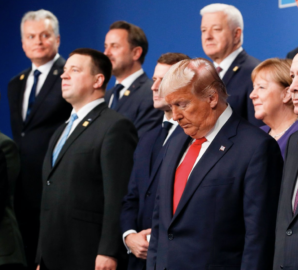
Nearly 90 percent of people in 75 countries demonstrated at least one bias against equality—with 91 percent of men and 86 percent of women showing bias in one of the four areas studied.
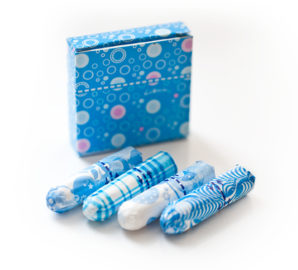
In the UK, toilet paper is considered a “necessity,” unlike tampons, which are taxed like a luxury item.

Now that the UK has officially left the EU, the government has decided to overhaul its immigration system, and women are about to become the big losers in the process.

As of Monday, women will be afforded equal rights to men who serve, in that they can finally receive equal pay and benefits, achieve command positions, and make the army their career—rather than being forced out after 10 to 14 years.

A shocking new report from Women for Refugee Women, a UK-based nonprofit, says one-third of women they interviewed who had been raped or sexually assaulted in their home countries have faced further rape or sexual abuse while destitute in the UK.

India’s government said early last week it thinks women are not fit to serve in ground combat roles—citing reasons that are embarrassingly regressive.

A study published Wednesday confirms “extensive direct links” between environmental pressures and gender-based violence.

A court in India issued a death warrant Tuesday for four men convicted of gang-raping a 23-year-old physiotherapy student in 2012. They are set to be hanged on January 22.

Korean women are still—nearly 75 years later—fighting to gain restitution from the country that forced them into sexual slavery, despite a “final and irreversible” deal reached between Korea and Japan in 2015.

While Harvey Weinstein’s accusers are figuring out whether to take a proposed multimillion-dollar settlement, Japan’s version of Harvey Weinstein has been ordered to pay just 3.3 million yen ($30,000) in damages in a very public rape case.
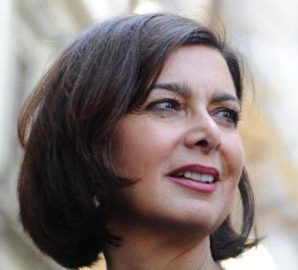
Research shows that social media exposes female politicians to online abuse, but it also enables them to engage directly with their constituencies without the bias of mass media.

While she may have escaped the horrors of North Korea, one woman who defected to South Korea says she has been forced into a new nightmare.

In a stunning display of greed—or possibly deep ignorance—two popular Japanese clothing brands have purposely turned a human rights tragedy into a selling point: Muji and Uniqlo have both been touting the fact that the cotton for their clothing comes from Xinjiang, China, an area in which a million Muslim Uighurs have reportedly been detained in “reeducation” camps.

As absurd or 1950s as it sounds, women across various work sectors in Japan are being told to take off their glasses.
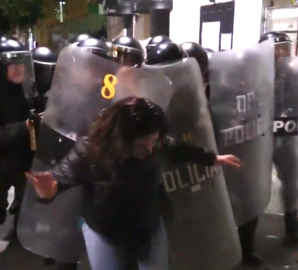
Amid ongoing violent demonstrations against the re-election of Bolivian President Evo Morales, masked protesters on Wednesday kidnapped the mayor of a small town in central Bolivia.

In a country as staunchly anti-abortion as Argentina, Sunday’s presidential election outcome signals a potential sea change for women’s rights in the notoriously restrictive country.

Gloria Steinem and Christine Ahn return to the DMZ to call on the leaders of the United States and North Korea to return to talks and negotiate a final settlement to the nearly 70-year-old Korean War. Ahn's article argues the importance of including women in the peace negotiations.

The United Nations passed a watered-down version of a resolution to end sexual violence in war on April 23 after bowing to pressure from the Trump administration to eliminate all references to sexual and reproductive health and protections for gay and transgender victims.

South Korea’s Constitutional Court struck down a 66-year-old law that criminalized abortion in the nation on April 11. Women’s rights and pro-choice activists who have long campaigned to overturn the ban celebrated the decision.

The 30-year rule of Sudan’s president Omar Hassan al-Bashir was ended on Thursday when the military announced it had finally unseated their leader, who governed with an iron fist and is wanted on charges of genocide.

The development in their case comes after a months-long saga in which the women, who said they fled to escape an abusive family and restrictive society, hid out in Hong Kong and stayed in various safe houses out of fear they could be intercepted and forced to return home.