




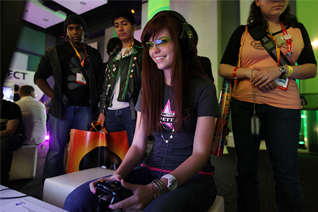



The Black Lives Matter co-founder is directing a new program for artists that connects creativity and activism.

The continued exclusion of female talent shows that major awards are based not on merit but on the biases of individuals.

Although several major film festivals have pledged to have equal representation for female directors by 2020, progress has been slow. Here is our year-end follow-up to our midyear report on how they are doing.
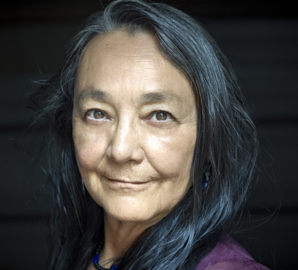
Cardinal's role in ABC's Stumptown — a tough, complex CEO — is one of the most prominent indigenous characters ever to appear on U.S. television.

In her posthumous memoir, Edie Windsor details her vivacious sex life and in the process shatters stereotypes not only about lesbians but about older women in general.
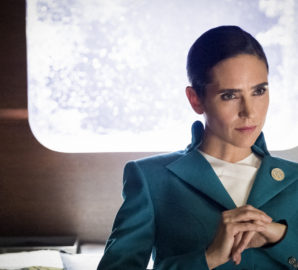
Showcases at New York Comic Con, an annual event for pop culture fans, indicate that the future is getting brighter for on-camera female representation in superhero/sci-fi films and TV. Behind the camera, progress has been much slower.

Even though Latinos are 18.3 percent of the U.S. population, research has found that only 4.5 percent of all speaking characters in top films are Latino — a number that has changed little over the years.

Playwright Clare Barron's new work explores how girls and women often feel they can’t openly go after what they want.

Despite being a majority of ballet audience and donors, women are being denied opportunities in the field.

In an excerpt from Sarah Barnett’s interview on “Women’s Media Center Live With Robin Morgan,” which aired June 9 and is available by podcast at wmclive.com and other podcast platforms, Barnett talks about her work promoting women on screen and in TV’s executive suites.

Beyoncé’s choice to place Black womanhood at the center of her new Netflix documentary, Homecoming, is a powerful form of social resistance.

Before Stonewall, lesbians were all but invisible in media. Fifty years of activism and advocacy have made a remarkable impact.
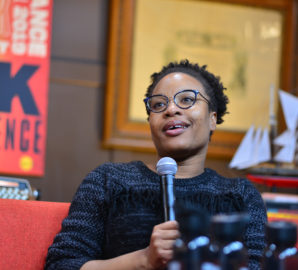
Film festivals are being held more accountable for not showing enough work by female directors. Here’s how some of the major festivals are doing since the 5050x2020 pledge.
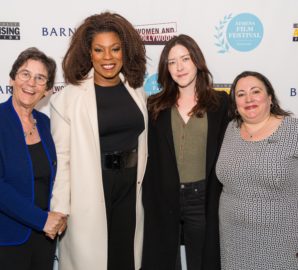
The ninth annual event showcased stories about women leaders as well as ordinary women who rise to meet the challenges in their own lives.

A new study shows that depictions of abortion on TV can dispel myths and destigmatize the experience.

According to a new study, there was an encouraging increase in diverse fictional depictions of abortion last year.

By chronicling how these allegations against Kelly have been an open secret in the entertainment industry for years, the series' director dream hampton exposes how both Hollywood and the United States legal system have essentially enabled Kelly’s abuse by ignoring it.

Hundreds of thousands of rape cases in the United States are stalled as the evidence kits remain untested, sometimes for years. The HBO documentary I Am Evidence sheds light on the impact on victims and survivors.
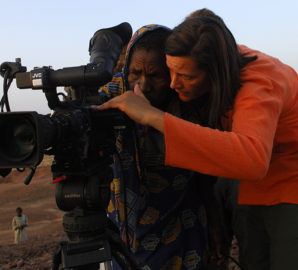
In its fifth year, the festival focused on the work of women cinematographers.

The work of Indian artist Shalinee Kumari, which is being shown at San Francisco's Asian Museum, promotes social change and women's empowerment.

Cooper's new book, Eloquent Rage, explores how women's anger can fuel social and political change.

Writer Asha French adds some missing context to the journey to self-acceptance shown in the Netflix movie.

Over the course of the past week, feminist activists on the internet and in the real world expressed outrage and frustration about the latest #MeToo development: Louis C.K.’s return to the public stage.

The latest report on diversity and inclusion in film shows little progress over the last 11 years. Marcie Bianco explores why there has been such stagnation, and what it will take to move the needle.
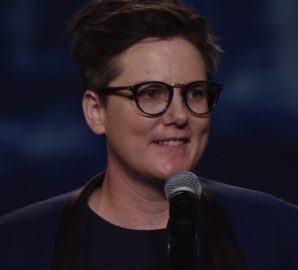
Women are taught that expressions of anger are unwelcome and unacceptable. Gadsby and Turner, each in her own way, are defying expectations.