















Why Inequality Is Exacerbated in the Summer
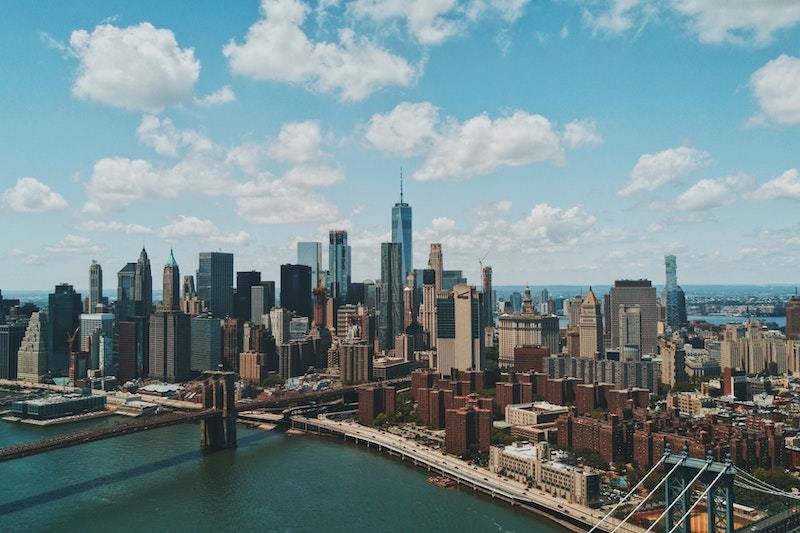
Many of us have embraced “hot girl summer” as a phrase that embodies carefree joy — one we’re eager to embrace now that we’re finally able to return to many aspects of our pre-pandemic lives. While those of us who are vaccinated should celebrate the end of social distancing and being able to hug our friends safely once again, we should also remember the lessons the pandemic taught us, especially those about inequality. Inequality is especially worth thinking about in the summer, since it’s exacerbated in many ways during this season due to the extreme weather events and decreased access to resources available during the school year.
Take heat waves in big cities like New York, during which low-income communities suffer the most. Low-income folks, the majority of whom are people of color in New York, are less likely to have working air conditioners; public housing especially is notorious for lacking them. Thanks to the effects of historical redlining, homes in Black and brown communities are also not as safe or adaptable to hotter climates than other homes, which, compounded with no air conditioning, makes for a very dangerous environment. Low-income workers often do not have adequate protection against the heat outside of their homes, either — especially for service sector jobs such as restaurant workers and delivery gig workers.
Low-income communities are made even more vulnerable to extreme weather events, like forest fires. Even those who do not live in areas more prone to fires can be affected by these events — take how the recent forest fires on the West Coast affected air quality in New York City. Low-income communities simply have less access to resources such as cars, health insurance, or English language skills, which makes recovery from losses related to weather events exponentially more difficult.
The inequality low-income children already face is also exacerbated when school-related resources are cut during the summer. Last summer, for example, the NYC Department of Youth and Community Development canceled the Summer Youth Employment Program because of the pandemic and replaced it with a virtual career-development program that offered stipends to only about 35,000 youth. That program was established only after pushback from local youth groups and elected officials, and still ultimately helped only a small percentage of NYC youth. It is crucial for kids to learn life and employment skills this summer, especially after a year of remote learning that already exacerbated inequality, especially for those families who did not have internet or technology access or other basic support during the pandemic.
Another vulnerability low-income children face during the summer is hunger: Many kids rely on free lunch programs for food. Thankfully, during the summer of 2020, the government stepped up and served eight to nine times more meals in its summer food program than it had the previous year. We can still work toward increasing awareness of the availability of free summer lunch programs and actively destigmatize it
I remember summer fondly as a public school student growing up in New York. It was a time of transition, where I held internships or temporary cashier jobs. I remember public pools, public libraries, and the relief of the air conditioning in my face after stepping off the concrete sidewalk. I was also fortunate enough to go on brief vacations with my family. Summer was when I anticipated changes and planned for the future, and it’s a perfect time for our society to do the same and address the inequality so many face. No doubt, as vaccinated people we should fully bask in the sun and enjoy our lives in the style of Megan Thee Stallion. However, we should think about a summer we deserve — one that is equitable and safe for all.
More articles by Category: Feminism
More articles by Tag: Discrimination, Racism


