















This Author Wants to Change the Way We View Facial Difference
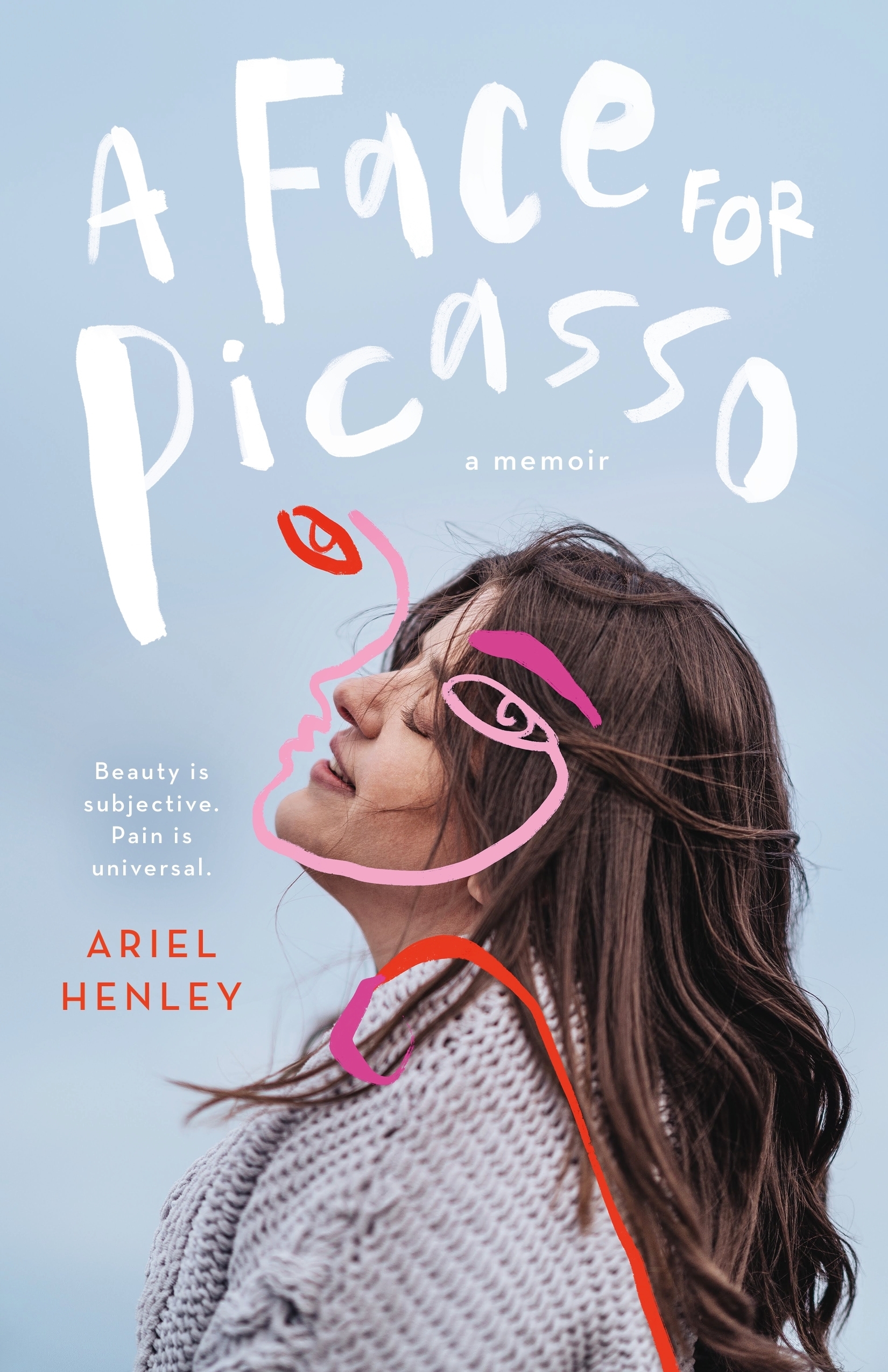
Ariel Henley freely admits that revisiting the worst parts of her childhood while writing her new young adult memoir A Face for Picasso wasn’t easy. Growing up, Henley and her sister Zan received international attention as children because they were the only set of twins known to have survived being born with Crouzon syndrome, a rare condition that causes the facial bones to fuse prematurely. Starting from an early age, the sisters had to endure a series of painful and dangerous surgeries designed to allow their bodies to grow properly.
Revisiting those moments “was emotionally draining,” Henley told the FBomb. “There were a lot of memories and a lot of experiences that I thought I had worked through, but I clearly had not dealt with in the way that I thought I had.” Released on November 2, A Face for Picasso explores the meaning of beauty, the power of disability activism, and what it means to stand out in a very ableist world. The FBomb recently had the chance to chat with Henley, 30, about how her book came to be.
When did you realize you wanted to write a memoir?
I’ve wanted to write this book since I was 12 years old, so this has been something that’s been on my mind for years. I’m 30 now, so writing this book has been a lifelong dream for me. A lot of why I’ve wanted to write it is because stories like mine did not exist when I was growing up. I felt very alone and very isolated because of that.
Your title, A Face for Picasso, is a reference to an article that appeared in a French magazine when you were very young that compared your looks to a Picasso painting. When did you realize you wanted to reference that moment in the book’s title?
Around the same time that I decided I wanted to write this book, I found an article that compared my face to a Picasso painting. As I’ve gotten older, I’ve learned more about trauma and how it impacts us long term. That realization really was the key to how I decided to structure the book. I grew up having to process repeated traumatic events as they happened while also having this idea in my head that I resembled a Picasso painting. That really played out in the structure of the book.
That article came out in France when you were around 8, but you didn’t discover it until several years later. What was that moment like?
It was around the time that I had the operation the summer before seventh grade that I found the article. So I was already in a dark, rough place and was really struggling to come to terms with both my identity and my appearance, and I was watching my sister go through those things too. So I was a very, very traumatized teenager and preteen, and finding that article right after I had surgery to change my face after watching my sister go through that as well was extremely difficult and very upsetting.
You note in the book that, in many ways, you had a very beautiful childhood with your parents and your siblings. But, as you write, the world didn’t want to believe there were good parts about your life. What was that realization like?
In so many ways, I felt like I had a normal childhood. When I was home and I was with people who loved me and people who didn’t treat me like I was different, I completely forgot [I was different]. Yes, there were operations and medical appointments, but even as hard and painful as surgery could be, there were funny times as well.
So it was hard because I felt like no matter what the context was, I was never seen as a normal kid. I was either seen in this ‘Oh, you’re so inspirational’ way or I was completely infantilized and talked down to. It was exhausting, never knowing where I stood with people. But when I was home and around my loved ones, it was great. I really want people to understand having Crouzon syndrome was not the bad part of my experience. The hard part was the ableism and repeated harassment and discrimination for me.
There were also so many instances in the book where other children and teens, and even teachers, witnessed your bullying but did not intervene. How could someone in your classes have better supported you, and what should readers do when they see someone with a facial difference being bullied?
I think it’s really important for people who have facial differences to feel heard and supported in the sense that it needs to be called out. I think there can be learning opportunities, and sometimes people are unkind. But they need to learn, and so when you have someone like me who went through this stuff, and no one said anything, it made it extra difficult because I was like, OK, cool. It made me feel like I deserved it, and I internalized it. And so I think when someone does see someone with a facial difference being made fun of or harassed or discriminated against, it is important to call that out and make [the person with a facial difference] aware of the fact that they don’t deserve that treatment and that the behavior isn’t OK and won’t be accepted or tolerated. That person should be prioritized over the feelings of whoever is doing the offensive behavior.
As you mentioned earlier, growing up with a facial difference felt really lonely for you. What is your message for other kids and teens with facial differences or other disabilities?
I want them to feel validated and seen and heard and to read the story and feel worthy of whatever it is that they want in life. I did not grow up with stories about people like me with experiences like mine. I did not get to see people like me succeeding or following their dreams. So I really just want kids and teens and parents and adults, whoever reads this book, especially if they have a facial difference, to feel celebrated and to hear that what they’ve gone through is hard. You didn’t deserve it. But you’re still a valid, worthy, wonderful human.
More articles by Category: Disability
More articles by Tag: Books


