
















At 22 years old, standing at 5 feet, 7 inches and weighing 164 pounds, this year Harris became one of the only women to ever earn a scholarship to play college football.

Womxn in Yucatan, Mexico, fight misogyny, homophobia, classism, and racism on a daily basis. Some womxn in the state are fighting back through the arts. One such community doing so is the Yucatecan ballroom scene.

Emerging feminist media platforms are helping South Asian people engage in, navigate, and mobilize feminist movements.
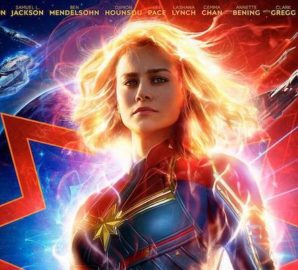
Can a superhero movie like Captain Marvel teach us anything about the “misinformation age” in which we currently live?

Ugandan Tourism Minister John Kiwanda plans to feature “curvy and sexy women” as a primary Ugandan attraction in the official literature for the nation’s tourism. The plan also includes the launch of a beauty pageant called “Miss Curvy Uganda,” the winner of which will be used in an advertising campaign.
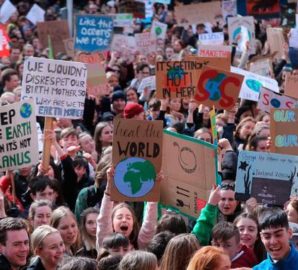
The culmination of over 70 scientists’ research, provides peer-reviewed evidence that feminist policies are extremely effective solutions to the mega-issue of climate change.

Feminists all over the world are fighting to shift these conversations about consent toward a more nuanced understanding of the complex power dynamics that exist in all social relationships. ThaiConsent is one organization doing just that.

22 years after disbanding, the feminist punk band Bikini Kill announced that they’ll return to perform a few summer tour dates — sending Riot Grrrl fans everywhere into a frenzy. To understand the commotion this news inspired, it’s important to know just how influential Bikini Kill has been to the feminist movement.

Ultimately, the impact of representation in movies benefits so many more women than just those in the film industry. When more women are represented, little girls who watch that representation can imagine themselves taking on those roles one day.

Nominations are a legitimate indication of who is worthy of not only cultural acknowledgment but a financial investment. This is why it’s crucial to pay attention not only to who is being recognized at the Academy Awards but also to who isn’t.

Thanks to the progress the #MeToo and Times Up movements have made in shining a light on the injustices women in the film industry face, I naively assumed that women would be better represented among this year’s award nominees. I assumed wrong.

Even before the media gave these women’s political visions a chance, it has largely narrowed in on evaluating whether these women possess a single quality — one that they seem to care about only when it comes to female candidates: their likability.
Considering that dangerous ideas have already become rampant in our country, we have to be especially conscious of and actively work against the influence of media that spreads fallacies and hate speech.

“Sex Hurts” is the first episode of “Bodies,” a podcast produced by Allison Behringer that delves into some of the physiological experiences women commonly have but individually find mysterious.

The biggest advocates for prohibition were Indian women who pointed to the access of alcohol as the cause of their drunk husbands’ destructive and even violent behavior.

How truly impactful has the #MeToo and other dominant feminist movements been in India, considering that they frequently leave out the most oppressed group in the country: Dalit women.

Attending a conservative Christian college has been a special kind of hell for me as a feminist. But my experience has also shown me how important it is to stand up for your beliefs in the face of those who oppose you.
Money is a form of power, and claiming this power is necessary for women to achieve equality. Financial equality is an undeniably crucial component of achieving gender equality.
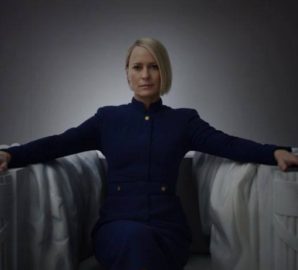
In the sixth and final season of House of Cards, President Claire Underwood has an opportunity to transcend Frank’s murderous scheming and set a more uplifting example, but instead forcefully pushes back against obstacles in her way and continues to fight for power at any expense.

We often think of girls at these ages as the “future,” but doing so denies girls the opportunity to meaningfully discuss their current experiences. Girls are very much a part of the present; they are changing the world right now.

Beyond not feeling represented or seen by my doctors, the persistence of a binary understanding of sex and gender in the medical field has failed to account for the way I, and patients like me, deserve and need to be treated.

We need to change the message we’re sending kids at a young age. it is necessary to provide children with books and media that provide positive representations of gender equality, and do not associate particular abilities or responsibilities with any gender.

My experiences with travel have been inextricable from my gender; traveling has made me the woman I am today.

Gender inequality and sexism are still embedded in the Middle Eastern workplace, even in progressive workplaces like International NGOs and even if they try invoke equitable policies.
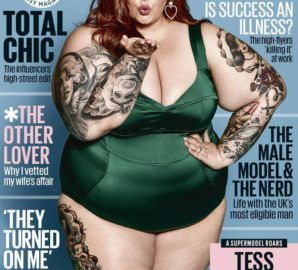
The recent backlash to Holliday’s magazine cover proves that we still need to do more to make our society’s beauty standards more inclusive.