
















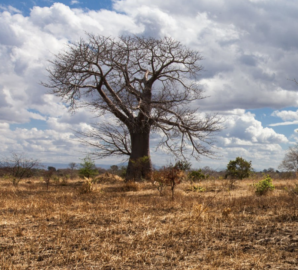
Homesteads in rural Zimbabwe used to be surrounded by lush green vegetation, but years of climate-change-related drought has turned the landscape into a deadly brown tinderbox.

At COP27, the UN climate conference in Egypt, which ends today, it appears to have been same old, same old when it comes to inclusion.

Coca-Cola is far and away the biggest polluter of plastics in the world. So why is it one of the sponsors of the 2022 UN Climate Change Conference in Egypt, known as COP27? The answer is insidious, and, unfortunately, this is not the only shady corporate-climate confluence happening this month in Sharm El-Sheikh.
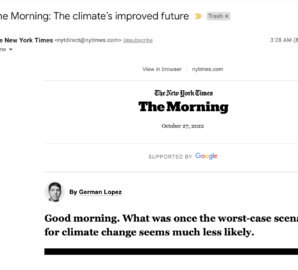
It’s true: The majority of people only read the headline, not the story. There have been a couple studies in recent years that show that only three or four people bother to read an article before sharing it on social media. Which is why it was so alarming to read the New York Times’s morning email the other day.
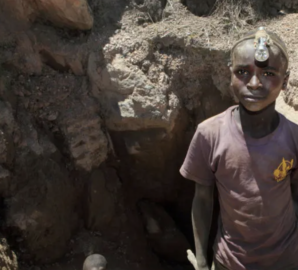
When it comes to the materials needed to keep our electronics going, there is often a hidden cost.

In the past 10 years, an environmental activist somewhere in the world was killed every two days. In 2021, three-quarters of such murders were perpetrated in Central America. The perpetrators have been mainly organized criminal groups and governments that want to destroy land for profit, such as through mining, logging, and extractive industries like oil and gas.
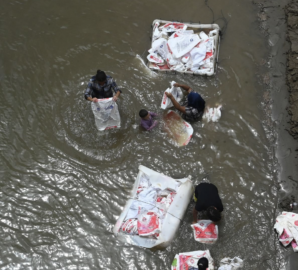
While the world watched in horror as Hurricane Fiona ravaged Puerto Rico and Bermuda this week, it was easy to miss another climate-related emergency. This one is not due to a single massive event, like a hurricane. Instead, it is an ongoing, worsening crisis, one which is devastating Central America.

The jury is out on whether coronavirus has spread more widely than it may have if the world were not undergoing climate change. It is not, however, when it comes to a rise in infectious diseases overall.

Just as the court has paved the way for states to deny essential reproductive health care, it has also cemented the country’s position as one of the biggest contributors to climate change in the world. The two cases are more connected than you may think.
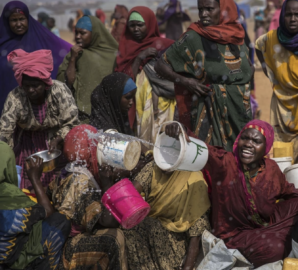
Among the horrors of the climate crisis is drought. In Somalia, in particular, it’s become too dry to grow crops, sustain livestock, or find fresh drinking water.
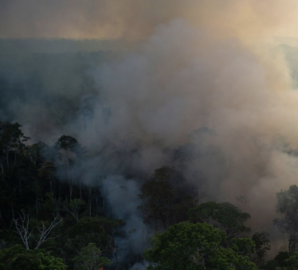
Perhaps it is no surprise that the people involved in that onslaught have found their ways into positions in which they can “legally” make decisions about the Amazon’s precious trees and fauna.
There is now evidence that can be used by countries who want to sue the heaviest polluters in the world: the United States, China, Brazil, Russia, and India.
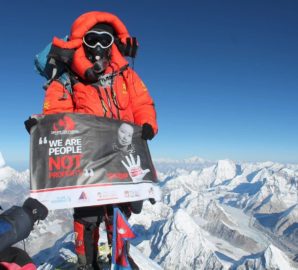
In 2019, a Nepali woman named Kanchhi Maya Tamang used her climb of Mount Everest to spread awareness about climate change. Her reasoning: “When we speak from the top of the world, our voices can be heard louder,” said Tamang, 31, who has summited Everest three times.
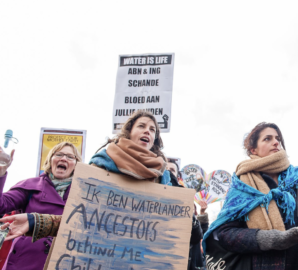
Because extractive industries are generally located in communities with the least power to fight their existence, people who live in areas mostly composed of indigenous people and people of color, among others, are poised to be hit hardest by a new reduction of environmental regulatory authority.
- 2024
- 2023
- 2022
- 2021
- 2020