
















A recent study found that there was also an unprecedented number of discussions about abortion depicted on television — more than ever observed in a single year.
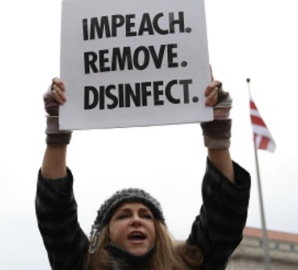
Thousands of women repped the resistance front and center at the fourth annual Women’s March taking place in cities across the U.S. on Saturday.
Robin on impeachment, Harvey Weinstein, endangered women mayors, wrestling, how things are getting better, and days-long orgies of same-sex box crabs. Guest: NY Times columnist Gail Collins on her new book about older women, No Stopping Us Now.

This year, CES allowed a female-led and oriented sex tech companies to appear at the show.
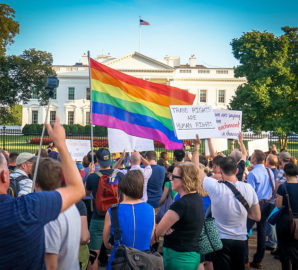
The House passed a comprehensive rights bill last year, but it died in the Senate. A new proposed compromise would ban discrimination — but with a major loophole.

2019 was a banner year for women in the entertainment industry. But female filmmakers are still unable to break the “celluloid ceiling.”

It’s awards season. Which means it is again the time of year in which women realize they’ve been snubbed, blocked, ignored, skipped over…however you want to put it, it’s the season in which women are consistently losers to the patriarchy, and this year is no different.

Feminists have long linked oppressive gender dynamics to industrialized animal agriculture, noting that female animals and their reproductive organs are exploited for profit, under intensely inhumane conditions.
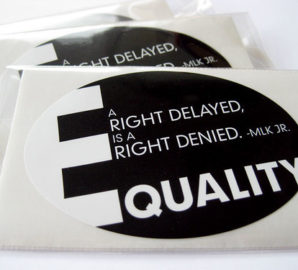
An opinion issued Wednesday from the Justice Department's Office of Legal Counsel may scuttle an effort to ratify the Equal Rights Amendment.

No women were nominated in the category of Best Director at the Golden Globes even though there were more women-directed top-grossing movies in 2019 than in any year before.

A court in India issued a death warrant Tuesday for four men convicted of gang-raping a 23-year-old physiotherapy student in 2012. They are set to be hanged on January 22.

As much awareness as the #MeToo movement has generally brought to the sexual violence epidemic in this country, rape culture still persists — and, unfortunately, all too many people subscribe to myths promoted by rape culture.

The Black Lives Matter co-founder is directing a new program for artists that connects creativity and activism.

Tunisian women from different ages and backgrounds have begun to share their sexual harassment stories on social media under the hashtag #EnaZeda — which means #MeToo in the Tunisian dialect.

Victoria’s Secret is still busy making life for women and girls about being their thinnest possible selves.

The continued exclusion of female talent shows that major awards are based not on merit but on the biases of individuals.

Korean women are still—nearly 75 years later—fighting to gain restitution from the country that forced them into sexual slavery, despite a “final and irreversible” deal reached between Korea and Japan in 2015.

2020 will mark the centennial of women getting the right to vote — and we have a lot to celebrate. But there is still room for improvement.

Here's what happened on Jane Fonda's 82nd birthday. She wanted 82 people to get arrested to bring attention to the climate emergency. One hundred and forty three people were arrested. Photo essay by Jenny Warburg

While Harvey Weinstein’s accusers are figuring out whether to take a proposed multimillion-dollar settlement, Japan’s version of Harvey Weinstein has been ordered to pay just 3.3 million yen ($30,000) in damages in a very public rape case.

Over one billion people live with disability, yet this group is barely represented in the media.

As if being pursued by an enemy isn’t traumatic enough, women in the military are also being stalked by their own..

While it’s true that some political ideas shared by many Boomers are outdated, saying “OK Boomer” perpetuates the harms it seeks to redress.

In 2019, across the world, the number of years it will take women to reach equal pay and opportunities with men increased by 55 years.

Zimbabwe's maternal mortality crisis is pushing the debate on abortion, but the current economic crisis and stigma stand in the way of legalization.
- All Categories
- Arts and culture
- Body image and body standards
- Disability
- Economy
- Education
- Environment
- Feminism
- Free Speech
- Gender-based violence
- Girls
- Gloria Steinem
- Health
- Immigration
- International
- Jane Fonda
- LGBTQIA
- Media
- Misogyny
- Online harassment
- Politics
- Race/Ethnicity
- Religion
- Robin Morgan
- Science and tech
- Sports
- Violence against women
- WMC Loreen Arbus Journalism Program