
















Longstanding environmental policies are a factor in the disproportionate impact of COVID-19 on communities of color.

A 2016 report revealed that one in five adult Brazilian women has had at least one abortion, which amounts to at least half a million women every year. Given that the practice is illegal, the number may be much higher.

Women Under Siege speaks with Masrat Zahra, a Kashmiri photojournalist and recent awardee of IWMF's Anja Niedringhaus Courage in Photojournalism Award, over the phone about her terrorism charge and the work she sees for herself ahead.

As the U.S. tax filing deadline approaches, three recent reports reveal the tax law’s disparate impact on women and other groups.

Will it finally lead to the real changes teachers have been calling for for years?

The Supreme Court ruled in favor of women’s reproductive rights in a 5-4 decision on June 29 by striking down a Louisiana law that would have limited the state to a single abortion clinic.
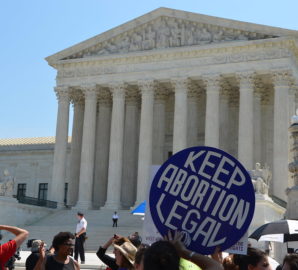
The 5-4 decision affirms recent precedent by overturning provider restrictions in Louisiana.
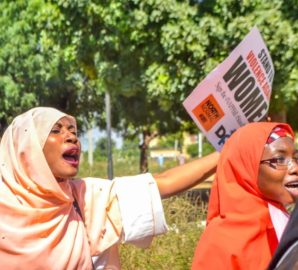
Rallies across Nigeria's northern states push for protections for victims of sexual and gender-based violence, led by young women who are challenging the roles they occupy in a deeply conservative society.

On February 4, a Pan-African feminist lawyer (who would like to remain anonymous) decided she was tired of seeing manels day after day on Kenyan TV stations.
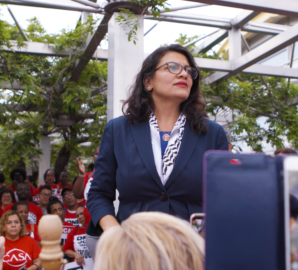
The docuseries, And She Could Be Next, shows that women of color are “changing what the face of leadership looks like” in the United States.

J.K. Rowling immediately received backlash after sending a tweet that implied only women menstruate.

During the pandemic, governments have been curtailing rights—but activists are fighting back.
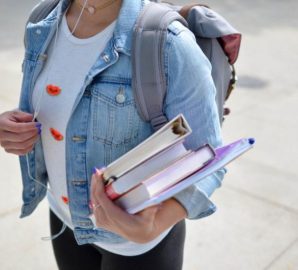
When I was 15 years old, I figured that if I wasn't accepted in any of the clubs at school, I might as well start my own, so I started a club that focused on empowering girls.

On June 7, Iran passed a new law criminalizing the emotional and/or physical abuse of a child — the first of its kind in the nation.
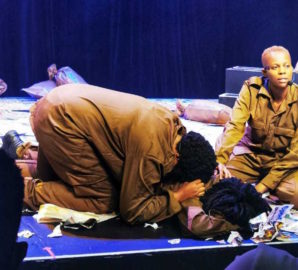
A spoken-word performance takes aim at the pervasiveness of gender-based violence in South Africa, inspiring community activism from the grassroots and demanding that the government confront its failure to protect women.

“Remember the true meaning of Juneteenth — a celebration kept alive by generations of black people.”
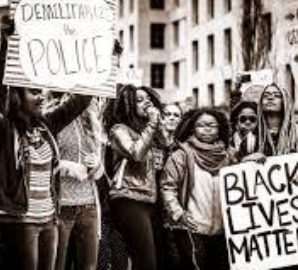
White people need to think more critically about the ways in which they have benefited from the same institutions they claim to protest online.

Medical nonprofit Medecins Sans Frontieres announced it is suspending its maternity ward operations in a Kabul, Afghanistan, hospital in the wake of the systematic killing of 16 women in the ward. All the women were mothers or soon to be.

This week’s Bostock decision creates stronger legal ground for more wins in housing, education, and health care, and in overturning the transgender military ban.

My parents married me off to my aunt’s husband, much in the way I’d seen other girls my age married off to older men in our Johanne Marange Apostolic Church community at home in Bikita.
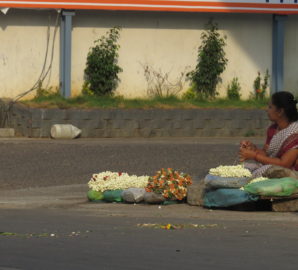
Since India went under a strict countrywide lockdown, the mostly women who make their living selling flowers, fruits, and fish every day on thoroughfares and platforms don’t know how they’ll feed their families.

While “reproductive rights” emphasizes securing women’s legal access to reproductive care, reproductive justice emphasizes an intersectional framework that prioritizes bodily autonomy.
- All Categories
- Arts and culture
- Body image and body standards
- Disability
- Economy
- Education
- Environment
- Feminism
- Free Speech
- Gender-based violence
- Girls
- Gloria Steinem
- Health
- Immigration
- International
- Jane Fonda
- LGBTQIA
- Media
- Misogyny
- Online harassment
- Politics
- Race/Ethnicity
- Religion
- Robin Morgan
- Science and tech
- Sports
- Violence against women
- WMC Loreen Arbus Journalism Program