

















In many regards, Safiya Ishaq is an unremarkable 25-year-old. She is excellent at braiding hair but terrible at being on time. She studied fine arts at Khartoum University in Sudan. Not unusually for a student, Ishaq became involved with politics.

After Sen. Joseph Lieberman published this Washington Post op-ed advocating for the U.S. to step up its efforts to topple the Syrian regime last month, Jackie Blachman-Forshay and I wrote a response.


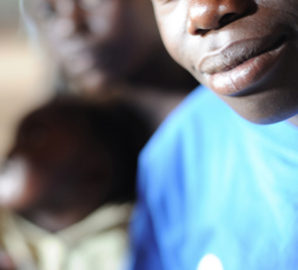
We know that victims of wartime rape are not just victims, or even survivors. They are mothers, fathers, children, grandparents, teachers, advocates, cooks, helpers, and dreamers. A new video series about Congo offers a fuller story of the country and its people than what we usually see.


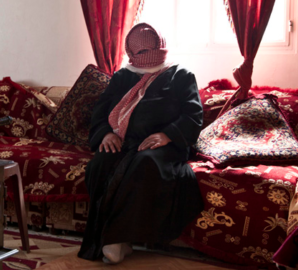
I met photojournalist Matilde Gattoni very recently on Facebook, which is to say we haven’t actually met in person. Even so, she’s already made an impression on me. Her work has a way of highlighting humanity—literally in chiaroscuro but also figuratively.

It’s easy to get bogged down in statistics of women who experience sexualized violence in the Democratic Republic of Congo. The numbers are staggering: A study published in the American Journal of Public Health in May 2011 showed that 12 percent of women in Congo had been raped at least once in their lifetime.