
















Treva Lindsey
Media Experience
Huffington Post
Teen Vogue
Cosmopolitan
Pronouns
She/HerAvailable for Interviews In
Professor Treva B. Lindsey is a Black feminist cultural critic, historian, and commentator. She is the author of the Choice Outstanding Academic Title 2017 Colored No More: Reinventing Black Womanhood in Washington D.C.. She is also a professor at The Ohio State University. She has written for outlets such as Al Jazeera, BET, Complex, Vox, The Root, Huffington Post, Popsugar, Teen Vogue, Grazia UK, The Grio and Cosmopolitan. Her work covers topics ranging from violence against women to fashion at the Met Gala. Many of her pieces focus on representations and experiences of Black women, although her work on race, gender, sexuality, culture and politics encompasses the far-reaching and often untold effects of current events and pop culture moments.
Her 2015 three-part series for Cosmopolitan.com on an ex-cop, serial rapist who targeted Black women has been shared over 225,000 times. As one of the first writers to chronicle this harrowing story about Black women, sexual violence, and police brutality, Treva became a highly sought-after commentator, with editors from numerous outlets reaching out to her for new pieces on a wide range of topics. The combined impact of her pieces has netted hundreds of thousands of views, shares, and "likes."
Her boldness, ability to connect history to current events, and wealth of knowledge about both pop culture and social justice issues brings readers to her work on multiple digital platforms. Her background as a historian, Black feminist, and media studies scholar anchors her approach to difficult conversations about violence. intersection of race, gender, sexuality, and politics, and media. She can take complex ideas and controversial issues and author pieces that push her audience to challenge assumptions, stereotypes, biases.
As a writer, she strives to inform while providing sharp, accessible, and engaging analysis of current events. She is working on newer pieces exploring a push to "call in" vs "call out" as a way thinking about accountability in this social media driven era. She is crafting longer form pieces about the Black women's 21st century renaissance in television and film, the role of Black women in upcoming elections (2018 and 2020), #MeToo on college campuses, and redefining allyship in the Trump era. Each of these pieces illuminate her expertise, while offering readers different entry points for thinking about a plethora of current events.

-
Why society doesn’t believe the pain and abuse of black girls
Vox Media "Consider It" [February 21, 2019] -
It’s Far Too Easy For Black Women To Get Caught In Cycles Of Abuse
Huffington Post [January 18, 2019] -
The betrayal of white women voters: in pivotal state races, they still backed the GOP
Vox [November 9, 2018] -
Left of Black with Treva B. Lindsey
Left of Black [June 8, 2018] -
Beyoncé's Coachella 2018 Performance Showed Just How Important HBCUs Are
Teen Vogue [April 16, 2018] -
The Rape Trial Everyone in America Should Be Watching
Cosmopolitan [November 10, 2015]

As a field that helps college students “rigorously interrogate, critically think, and creatively imagine a more just world,” women’s studies has been targeted by both the Trump administration and state legislatures. But scholars, faculty, staff, and others are fighting back.
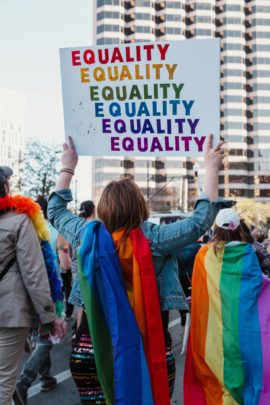
Solidarity, coalition building, and multifaceted organizing are needed to confront the right wing’s overwhelming campaign against LGBTQ rights.
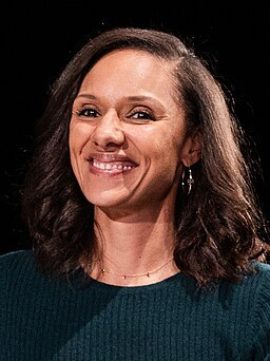
Can women’s historic wins bolster efforts to meaningfully improve the lives of women, girls, and gender-expansive people?
Faculty and students are dealing with the fallout as colleges and universities capitulate to Trump-inspired attacks on free speech and academic inquiry.
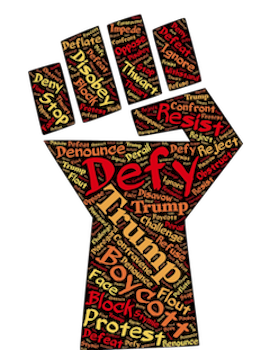
This political moment calls for radical coalition-building, feminist global solidarity, and the use of every tool available to fight against authoritarianism.
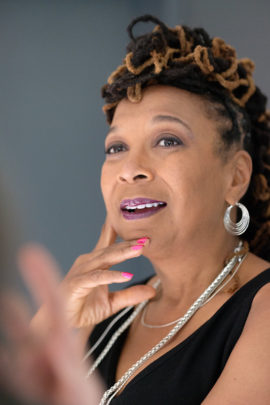
On Wednesday, May 3, the Freedom to Learn National Day of Action will mobilize people to defend the right of students to learn about systemic injustice, as well as ideas that form the basis of social justice movements.

Amy Coney Barrett and other members of the Supreme Court have shown outrageous disregard for the real impact of pregnancy.

The disparate impact of the coronavirus on Black women is revealing and deepening existing inequalities. Fighting it requires an intersectional approach.
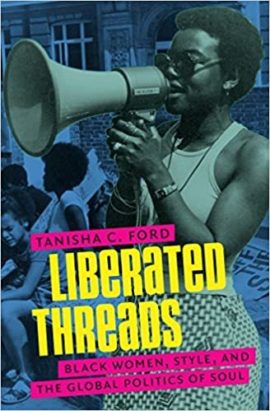
These recent works by Black women historians challenge conventional narratives of the history of the United States.
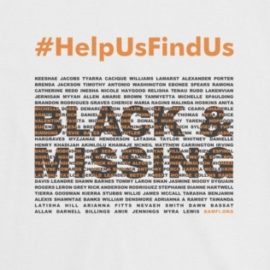
Although media attention to the problem has waned, the harsh reality is that between 64,000 and 75,000 Black women and girls are currently missing in the U.S.