
















This summer, the question of sexualized violence at the running of the bulls has been front and center. On Friday, hundreds of Spaniards protested across the country, indicating a growing spirit of resistance against the assaults.

India is the most dangerous country in the world for women, according to a nee survey of experts. The results come amid a worsening climate of sexual and communal violence in India, including the January rape and murder of an 8-year-old Muslim girl.

Unlike recent coverage at the border, the vast majority of immigration reporting excludes women's issues and voices, a new study finds.

The recent allegations against New York Attorney General Eric Schneiderman echo offenses by other law enforcement authorities.

In late March, New York Gov. Andrew Cuomo signed legislation that closes a legal loophole in an attempt to ensure domestic abusers are required to surrender all firearms, not just handguns.

California is one step closer to providing compensation to the living survivors of state-sponsored sterilization.

A new survey offers an idea of just how extensive the issue of sexual harassment is in the philanthropy world.

About 40 percent of employees in the Bureau of Indian Affairs (BIA) report experiencing some kind of harassment, one the highest rates of all agencies in the Interior Department.

This year's Oscars ceremony showed both how far we've come and how far we have to go in the movement against sexual assault.
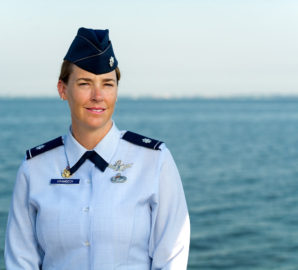
Close to 50 military veterans, service members, and their supporters gathered outside of the Pentagon for a #MeTooMilitary demonstration today. The protest came just hours after Sunday night’s Golden Globes ceremony.

In three cases of undocumented minors needing abortions, the government has argued that merely allowing the women to physically leave a detention facility would amount to facilitating their abortions, even though no one is asking the government to transport the women to clinics or to pay for their abortions.
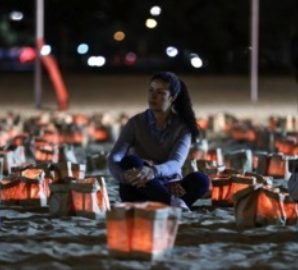
A new study confirms that three women are killed each day in the United States by an intimate partner. As Domestic Violence Awareness Month draws to a close, the author, an advocate and activist, looks at ways some communities are reducing those numbers.

No one is heralding Trump as a feminist hero. Yet on October 6, the president signed into law an act advocates say will make feminist history.

As world leaders descend on New York City this week for the United Nations General Assembly, one group has released a report that exposes a frightening lack of government knowledge of how the rights of women are progressing in various countries.

The NRA is pushing the idea of arming abused women as a solution to domestic violence. The author, a longtime advocate for victims, explains why this position—which is reflected in two new state laws—is misguided and deadly.

Harsh federal policies, as well as new anti-immigrant state measures, mean greater danger for immigrant women who are survivors of domestic and sexual violence.

There have been eight reported murders of transgender women in the U.S. in the first three months of this year, and all of the victims were women of color. These crimes highlight some alarming truths about gender-based and racial violence.

Rates of veteran domestic violence are skyrocketing. Author Stacy Bannerman issues a call to action.

Mainstream news media coverage of the Dakota Access Pipeline has often been selective, one-sided, and inaccurate. And it has all but ignored the impact on women and girls.
The author, one of many women whose past trauma was triggered when Donald Trump boasted about sexual assault, says that now more than ever, we must keep speaking out against violence.

Both the 16 Days of Activism to End Gender-Based Violence campaign and the International Day of Persons with Disabilities fall in this week—so now is a time for a call to action on behalf of disabled women and girls who experience violence and abuse.

The recent murders of three women runners in three different states have sent shock waves through the female running community.

At the Black Women’s Truth and Reconciliation Commission, women and men broke silence about sexual violence and worked toward forgiveness, healing, and justice.
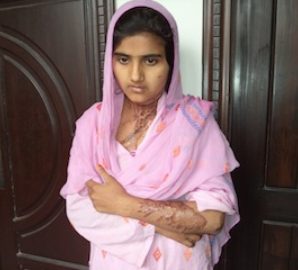
Five years after Pakistan passed a law to punish acid attacks, the violence continues even as more survivors seek justice.

The number of women in prison has been increasing at nearly double the rate of men. Advocates—including formerly incarcerated women—are taking a closer look at the reasons, and what can be done to stem the tide.