















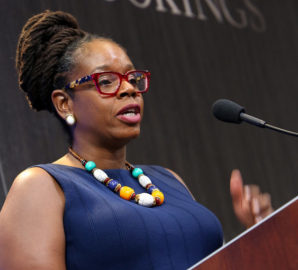
Campaigning during the pandemic has forced candidates to innovate and improvise.

As the COVID-19 pandemic worsens food insecurity globally, community-based initiatives are stepping up.

Pro-choice Christians have been sidelined by the vitriol of the Religious Right. But there are increasing calls for the pro-choice majority to make itself heard.

As the global pandemic enters its eighth month, the impact on those experiencing domestic violence has continued to intensify, and services are stretched to the limit.
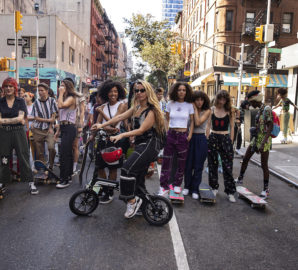
In the new season of television, women from a variety of backgrounds, many using nontraditional career paths, have become first-time showrunners.

A 75-foot mural by Chanel Miller is among the works displayed in the museum's new Wilbur Gallery.

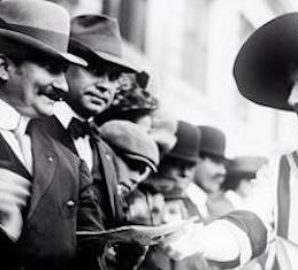
Media coverage surrounding the 100th anniversary of 19th Amendment, observed this week, offers deeper and more nuanced understanding of the suffrage movement.
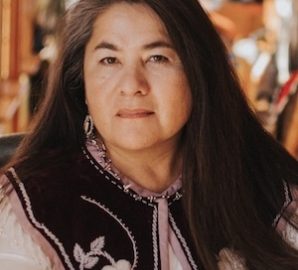
The 19th Amendment didn’t secure the right to vote for Native American women, despite their strong influence on suffragist ideas.
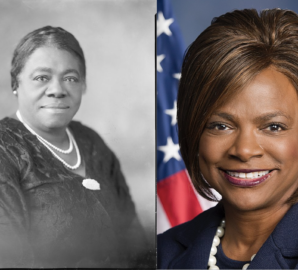
Despite the unfulfilled promise of the 19th Amendment, Black women have traveled an impressive distance over the last century, and continue to exert outsize political influence.
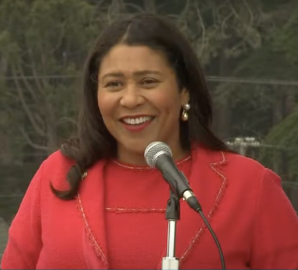
Wider implementation could help change the dramatic underrepresentation of women in elected office at every level.

Equal parenting has benefits for everyone involved. But to make these changes last, we need a cultural shift — and better family-friendly policies.

The Americans With Disabilities Act, signed into law 30 years ago, should be celebrated as a landmark piece of legislation. But there Is much more work to be done to realize its promise in all facets of society.

Longstanding environmental policies are a factor in the disproportionate impact of COVID-19 on communities of color.

As the U.S. tax filing deadline approaches, three recent reports reveal the tax law’s disparate impact on women and other groups.
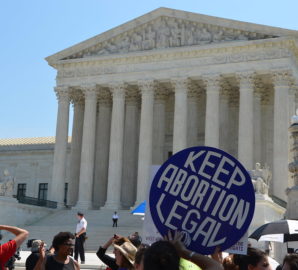
The 5-4 decision affirms recent precedent by overturning provider restrictions in Louisiana.
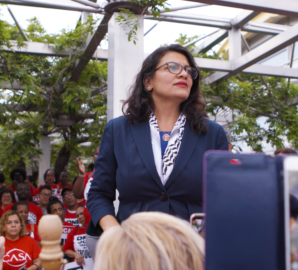
The docuseries, And She Could Be Next, shows that women of color are “changing what the face of leadership looks like” in the United States.

During the pandemic, governments have been curtailing rights—but activists are fighting back.

“Remember the true meaning of Juneteenth — a celebration kept alive by generations of black people.”

Medical nonprofit Medecins Sans Frontieres announced it is suspending its maternity ward operations in a Kabul, Afghanistan, hospital in the wake of the systematic killing of 16 women in the ward. All the women were mothers or soon to be.

This week’s Bostock decision creates stronger legal ground for more wins in housing, education, and health care, and in overturning the transgender military ban.

There is a long history of anti-Asian bigotry—and resistance—in the U.S.

Groundbreaking writer-director Alice Wu surprises with her long-awaited second feature.

In five years of war in Yemen, more than 100,000 people have been killed and the country’s medical system has been shredded. Now the United Nations Population Fund is warning that reproductive health care for women and girls in Yemen is about to collapse entirely.