
















Experts fear that disruptions in health services could aggravate India’s already high maternal mortality and child mortality rates.

In this Q and A, the screenwriters reveal how the woeful sex education they experienced as teens in Texas fueled the plot of their new teen road-trip movie.

As the COVID-19 crisis intensifies, women workers, especially those who are unmarried and in low-wage jobs, have been hit especially hard.

Stress, burnout, danger: The pandemic has only worsened existing crisis conditions for nurses and other health care workers.

Current advocacy is based on an understanding of the intersections of reproductive justice and economic justice.

Argentina’s new abortion law, a result of decades of feminist organizing, is spurring hope for expanded rights elsewhere in the region.

Using lessons learned from a decade-long onslaught against reproductive rights, activists are embracing strategies including coalition building, mobilizing pro-choice religious communities, and eliminating abortion stigma.

Now that Justice Amy Coney Barrett has taken her seat, the ultraconservative court appears poised to curtail the Affordable Care Act and reproductive rights. The damage can be addressed with action at the local level.

As the COVID-19 pandemic worsens food insecurity globally, community-based initiatives are stepping up.

Longstanding environmental policies are a factor in the disproportionate impact of COVID-19 on communities of color.
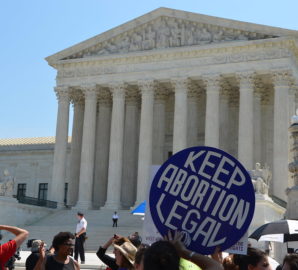
The 5-4 decision affirms recent precedent by overturning provider restrictions in Louisiana.

During the pandemic, governments have been curtailing rights—but activists are fighting back.

Medical nonprofit Medecins Sans Frontieres announced it is suspending its maternity ward operations in a Kabul, Afghanistan, hospital in the wake of the systematic killing of 16 women in the ward. All the women were mothers or soon to be.

In five years of war in Yemen, more than 100,000 people have been killed and the country’s medical system has been shredded. Now the United Nations Population Fund is warning that reproductive health care for women and girls in Yemen is about to collapse entirely.

A presidential decree announced in Afghanistan at the end of March allowed for the release at least 10,000 prisoners over the age of 55 but there are still more than 100 women in a Kabul prison, now at great risk of becoming infected with coronavirus.

A documentary airing today reveals that the plaintiff in the 1973 Supreme Court case Roe v. Wade, later revealed as Norma McCorvey, lied when she said she’d become pro-life in 1995.
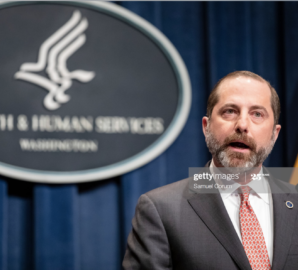
The Health and Human Services department is continuing plans to undo antidiscrimination provisions of the Affordable Care Act.

Countries like New Zealand, Germany, and Finland have had striking success in fighting the coronavirus. What do they have in common? For one, they all have women leaders.

Pandemic-related lockdowns disproportionally burden women. By asking the right questions, policymakers can create policies that alleviate that burden.

The many unnecessary barriers to abortion access in the U.S. have grown exponentially during the pandemic, forcing providers and patients to adapt.

The disparate impact of the coronavirus on Black women is revealing and deepening existing inequalities. Fighting it requires an intersectional approach.

In a country not known for its empowerment of women—or for its health system—five teenage girls are tackling Afghanistan’s coronavirus outbreak head-on.

Even with a zillion variations of “lockdown” and other measures being taken around the world to contain the spread of coronavirus, Panama has managed to find its own unique way of doing things.

Advocates are sounding the alarm about the risks of the new coronavirus spreading inside correctional facilities.

A number of conservative U.S. governors are using coronavirus as an excuse to shut down all abortion services in their states, calling them “non-essential” procedures.