
















There is a potential solution to climate change that is as unexpected as it is potentially effective: girls' education.

The most critical voices among those pushing back against this recent onslaught of anti-choice legislation and rhetoric are those of people who have been pregnant or had abortions themselves.

The College Student Right to Access Act would make sure that once a student has decided to end a pregnancy, they won’t be forced to go off campus to see a provider they don’t know.
Kenyan women and girls rarely get information about abortion at all because our society is heavily influenced by conservative religious beliefs. There is no sex education in the Kenyan education system, and religion seeps into classes like biology; Kenyan students are taught in their schools that abortion is evil and against God’s will.

One of Donald Trump's first acts as president was to reinstate and expand the global gag rule. This conservative policy hurts people in developing countries that already have to endure systemic obstacles to access health care.

On June 4, the House Committee on the Judiciary held a hearing on “Threats to Reproductive Rights in America.” 18-year-old Youth Testify leader HK Gray testified at the hearing about the barriers she faced when seeking an abortion in Texas as a minor, including needing a judicial bypass to obtain an abortion.

If women are going to seek abortion no matter the legal status of abortion in the country they live in, who will illegal abortion hurt the most? The answer can be found in examining how significant a role class plays in a woman’s decision to have an abortion.

In 2019, Uruguay will have presidential elections, and it’s more important than ever that organizations advocating for reproductive rights stick together and continue to keep fighting to educate their society and advocate for a continued cultural shift toward acceptance of women’s reproductive rights.

Recently, reports surfaced of an 11-year-old girl from a rural area in Argentina who got pregnant after being raped by her grandmother’s partner. Mariela Belski, Executive Director of Amnesty International Argentina, told the FBomb more about this case and how Argentinian girls and women are fighting for justice thanks to the Ni Una Menos (Not One [Woman] Less) movement.
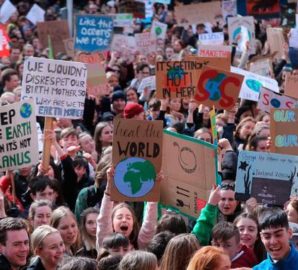
The culmination of over 70 scientists’ research, provides peer-reviewed evidence that feminist policies are extremely effective solutions to the mega-issue of climate change.

The practice of paying a bride price occurs in multiple African countries, although exact traditions and levels of legality vary. While some advocates want the practice to be eradicated, many Zimbabweans are still in favor of upholding the practice. Despite popular opinion, there is still very real damage done to women as a result of it.
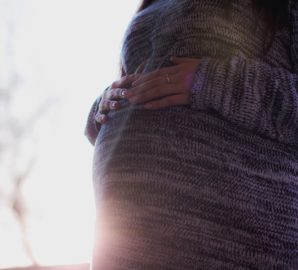
The government still controls mothers, especially those in marginalized populations, by criminalizing their bodies and the choices they make about them.
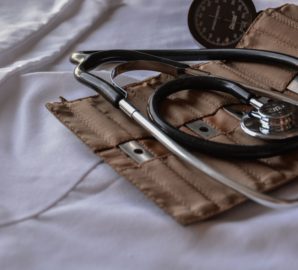
Should the ACA be overturned, it would be the latest development in a long history of discrimination against women in the health care industry.

Jair Bolsonaro’s election as Brazil’s president at the end of October, and the threat of far right extremism it represents, comes on the heels of a reinvigorated fight for abortion rights all across Latin America.

Beyond not feeling represented or seen by my doctors, the persistence of a binary understanding of sex and gender in the medical field has failed to account for the way I, and patients like me, deserve and need to be treated.
From Brazil to México, from Chile to Venezuela, from Peru to Costa Rica, from Bolivia to Ecuador, the green wave protesters’ call for legal, safe, and free abortion has intensified. The right to choose is influencing and energizing the activists in these countries, and these countries’ political institutions are paying more attention to their activism.

In Brazil, abortion is currently only legal in cases of rape, when the pregnancy poses a major threat to the woman’s life, or in cases of anencephaly in the fetus. On August 3 and 6 of this year, a public hearing was held to discuss the possibility of decriminalizing abortion altogether.

Girls marrying before the age of 18 are more likely not to finish their education, putting them at the risk of financial dependency.

There are currently no policies in Zimbabwe that protect girls who become pregnant while in school. Pregnant students are frequently forced out of their schools due to rules and regulations within the education system that discriminate against them.
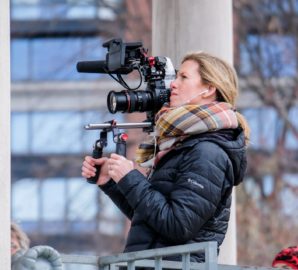
In 2016, producer and director Shannon Cohn created Endo What?, a film that gives an accurate, up-to-date base of knowledge about endometriosis, straight from experts.

Often considered the “swing vote” on the Supreme Court, Justice Kennedy spent his 30-year career making arguably the most bipartisan decisions in the courtroom. Democrats and progressives had come to rely on him as a key figure in the fight to protect existing abortion rights at the federal level.

Currently, control over fertility via LARC (long-acting reversible contraception) is restricted to women; men have no LARC options. This is problematic for a number of reasons.

Minors should have the right to have an abortion without parental consent or notification because teens who choose not notify their parents before having an abortion likely do so for very good reasons other than privacy or shame.
Removing the barriers to accessing safe and timely abortion is an economic justice issue.

I recognize that discussing any intimate health topic (or vaginas in general) makes some people uncomfortable. But any worry I have about making people uncomfortable is overshadowed by my desire to advocate for all of the ladies I know suffering from endometriosis and to provide the information and insight I wish I had found years ago.