











I Am Not Awrah
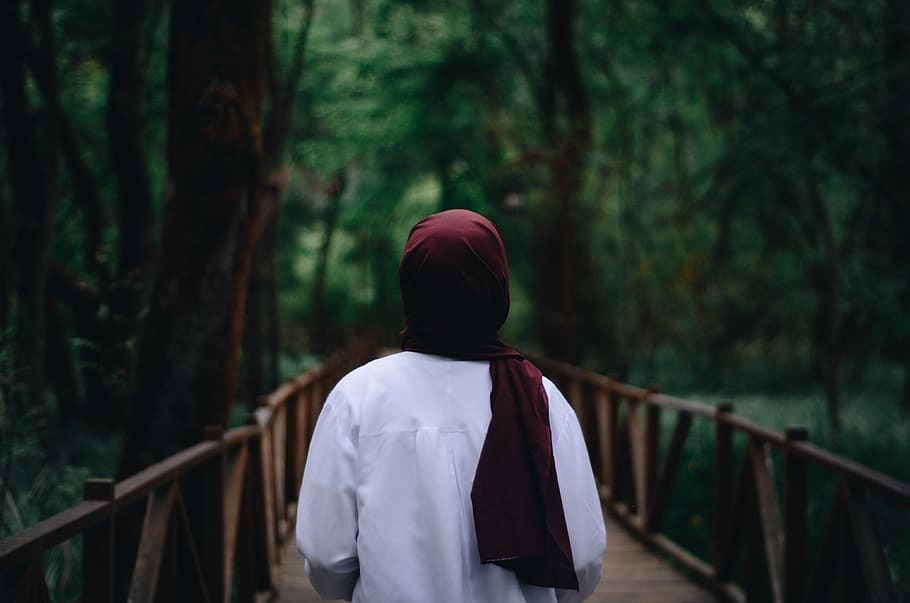
On the night of June 9, I was about to go to sleep when I opened my phone and saw local media coverage of a man in Herat, a province in Afghanistan, violently and harshly pushing a woman inside a police car. The woman was in full hijab — her whole body and hair were covered.
The video had been filmed the morning before in a small town called Jibraeel, and I learned that this woman was one of at least 30 charged with allegedly violating dress requirements by the Taliban. According to the Taliban, a woman’s face is considered to be awrah, an intimate part of the human body. Hence, Taliban laws require women to fully cover their faces. The same applies to a woman’s voice and full appearance, so a woman’s voice should not be heard in public and she should avoid being seen as much as possible in public places.
This woman was not the first to be arrested under this rule. Last year, for example, a vast number of women and girls were arrested from different parts of Kabul; friends of mine in Kabul have seen women arrested even when their faces were covered. These arrests happen all the time all over the country. It’s not clear where these women and girls are taken when they’re arrested; while some return (often with big scars on their souls and bodies), some are never seen again.
Basically, what’s happening in Afghanistan right now is an extreme level of state control and oppression of women; their human rights are being violated. But the Taliban is facing no consequences. Who on Earth should have the right to arrest someone off the street because their headscarf is not black? Or because they didn’t want to cover their face?
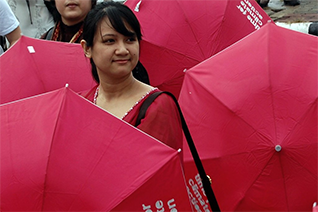
The Afghan people are so frustrated by these violations that they decided to protest; around 150 people in the city of Herat shouted that women arrested under this law should be set free. The protestors believe that their daughters, sisters, mothers, and wives should be able to buy vegetables from the market, go to the tailor for clothes, or go anywhere else without fearing they’ll be arrested without a warrant or committing any crimes.
You can probably guess what happened next: the Taliban started firing on people. Directly and openly. It’s not clear how many people have died, but many were injured and a child has died. The Taliban started searching for all of the protestors in the hospitals, clinics, and even homes, as many injured protesters avoided hospitals out of fear of arrest.
I am an Afghan girl who lived under Taliban rule for a year and three months before leaving the country. I wasn’t allowed to go to school. I couldn’t wear green, blue, pink, or red or dress any way I like. I couldn’t leave my house without a male companion. I couldn’t choose my husband or refuse a marriage proposal, even as a child. I couldn’t express my thoughts openly or share anything I believe through a Facebook post or a tweet. I wouldn’t have been allowed to write this very post.
I believe this is the time for us to remind ourselves that any law, of any kind, under any circumstances, through any parliament, with any kind of approval, which excludes anyone, or makes decision for anyone without them being involved, or allows any kind of violence and abuse, be it direct or indirect, has to be condemned and stood up against.
We are all more interconnected than we may realize. It is essential for our global society to protect human rights at any cost, and make the Taliban face consequences for their human rights violations. I cannot permit myself to stay silent about all these. No one else should either.
More articles by Category: International
More articles by Tag: Afghanistan


