
















Thanks to the progress the #MeToo and Times Up movements have made in shining a light on the injustices women in the film industry face, I naively assumed that women would be better represented among this year’s award nominees. I assumed wrong.

The media rarely covers the fact that the festival’s owner, Philip Anschutz, has donated to Republican politicians, anti-gay organizations, and organizations classified as hate groups.

South Africa’s entertainment industry has historically told monolithic narratives of black lives. While these narratives do reflect the reality of many black South Africans, they are not the only experiences of black South Africans and, moreover, not the only experiences black South Africans should be told are available to them.
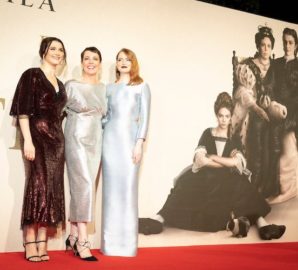
The Favourite leans into the intentionality of the female characters’ sexuality and of their savagery, giving each character her own agency over both of these forces and, in doing so, casting their actions as morally ambiguous.ar
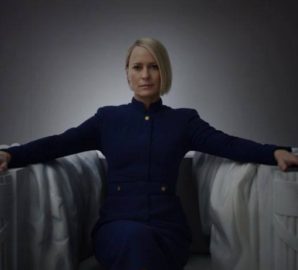
In the sixth and final season of House of Cards, President Claire Underwood has an opportunity to transcend Frank’s murderous scheming and set a more uplifting example, but instead forcefully pushes back against obstacles in her way and continues to fight for power at any expense.

It was only a matter of time before the echoes of Hollywood’s #MeToo and #TimesUp movements reached Bollywood, India’s film industry. That watershed moment finally arrived this September, when Indian actress Tanushree Dutta made accusations of harassment against industry veteran Nana Patekar
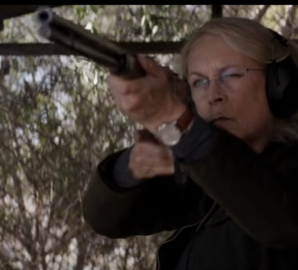
Bucking the trend of male heroism, many slasher films have opted for “the Final Girl”: protagonists who are victims of murderous circumstances — who weren’t looking to fight for their lives but rather had the fight thrust upon them — but who survive nonetheless.

On September 3, Brazil's National Museum caught on fire — an enormous tragedy that should serve as a reminder of how important it is for our country to maintain and value institutions that question the social inequalities in our country.

This year is the 20th anniversary of the widely beloved romantic comedy Practical Magic, a film that argues sorority is the most powerful magic available to women specifically because of its ability to uniquely support and instill confidence in each other.

Mona Haydar is a Syrian-American rapper and singer-songwriter who uses her powerful voice to call for justice.

Not only has Mazzoli been deemed “one of the more consistently inventive, surprising composers now working in New York” by the New York Times, but she is also the founder of the Luna Lab, a mentorship program for female-identifying composers between the ages of 13-19.

Higginbotham has covered topics including death, sex, and divorce. Recently, she told the FBomb about her newest book, Not My Idea, which tackles racism and white privilege, and is available now.

Yemeni singer, songwriter, and multi-instrumentalist Methal began her music career during the Arab Spring in 2011; that political escalation inspired her to more creatively address issues of religion and social justice. She most recently collaborated with the American rock band X Ambassadors and recorded the song “Cycles,” which depicts her relationship with her home country.

For the past few years, Yemen has been experiencing a catastrophic humanitarian crisis. The country has been wrought with a number of problems, and young Yemenis, especially young women, have been particularly affected by this conflict. Despite this troubling situation, however, a portion of Yemeni youth still dream of a better future. Among those who remain hopeful and productive are artists — a large number of whom are women.

On the surface, the Netflix hit GLOW is a show about the making of a show — specifically, the 1980s TV show “Gorgeous Ladies of Wrestling” (G.L.O.W.) that inspired the series. But beneath this plot lies a far more interesting exploration of women’s experiences in the entertainment industry, and in the world at large, in the 1980s through a modern lens.

As a black person with light-skin privilege, it took me a while to understand that society treats dark-skinned black people with a similar indifference and insensitivity to that which the ugly duckling experienced.

Brazilian author PJ Pereira tells the Fbomb about how his best-selling trilogy of books about the Orishas, gods that are part of the indigenous Yorubá tradition, are helping the belief system be re-examined in Brazilian culture.

The Tale is based on the real Jennifer Fox’s life, specifically focusing on the sexual abuse she endured as a child from her riding coach (Elizabeth Debicki) and her running coach (Jason Ritter). The film is an exploration of memories, and how these memories intersect with the truth.

On May 10, Spotify announced it will essentially act as an omniscient curator of the music of two problematic (if not criminal) artists: R. Kelly and XXXTentacion. Both of the artists’ music will still be available on the service, but Spotify will no longer actively promote their work.

When we talk about increasing and diversifying female representation in Hollywood, it seems it is women who feel the most pressure, who feel the most responsible, to counterbalance this misrepresentation by giving voices to a wide range of characters of different colors, ages, sexualities, and backgrounds.

Monáe’s new album navigates the myriad emotions involved in being socially deviant and outcast for that deviance.

The day after his “Saturday Night Live” performance, Childish Gambino released a new song titled “This Is America.” The complicated imagery of the song’s accompanying music video powerfully highlights the provocative symbolism of his lyrics, which make political statements about the role of blackness in America.
In contrast to the hypersexualized attire donned by the majority of female characters in fantasy/action movies, Ruth E. Carter’s designs are "feminine, masculine, beautiful, and strong," and challenge the conception that femininity and strength are mutually exclusive.

It's important for desginers' clothes to be seen, but it’s just as important for those who wear clothes to feel seen by designers. And currently, many aren’t: specifically, individuals with disabilities. One brand might change that.

For the first time, Diaz dismantles the mask he, much like Yunior, wore for years and shows New Yorker readers a surprisingly uncensored view behind it.