
















While precise figures are not known and are vastly underreported, a 2018 study from the Urban Indian Health Institute found that Native American women are 10 times more likely to be murdered than other American women.
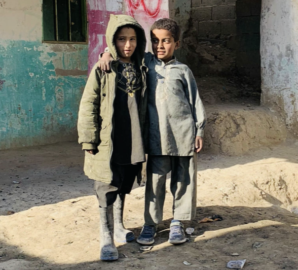
When Zohra Sansa, 21, returned to Kabul, Afghanistan, after nine years in Iran as a refugee, she witnessed some of climate change’s catastrophic effects in crowded internally displaced persons camps filled with homeless, rural families.
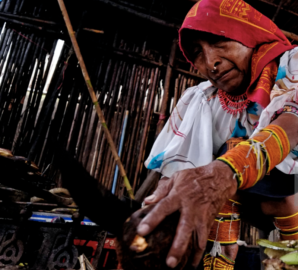
The little boys are having a blast, and their giggles are infectious. Clad only in shorts, they’re rolling in the sand, which coats them like sugar on a powdered donut. When they reach the water’s edge, they roll in and rinse off. Roll. Rinse. Repeat. It’s a good game.
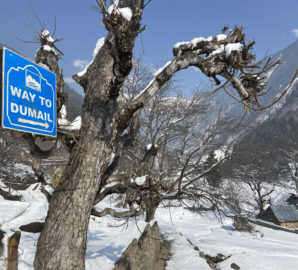
At 20 degrees Fahrenheit, Misra Begum, 35, a mother of three, sits beside a small lake in the northern Indian village of Naranag and washes a bucket of clothes in the freezing water. Two of her children are beside her.
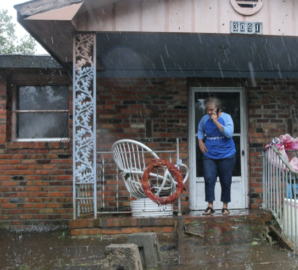
Burst water pipes, flooding, and power outages at domestic violence shelters in Texas displaced hundreds of survivors during mid-February’s aberrant winter weather. At one particular shelter in Dallas, The Lily reported, 123 women and children were evacuated to a nearby church, causing more upheaval in their already difficult lives.
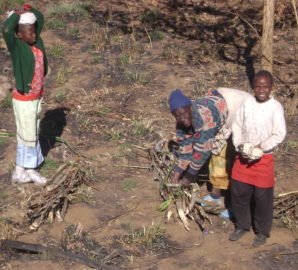
Sandra Matanda’s day normally starts at around 4 a.m. and ends at nearly midnight. She is a government employee in Zimbabwe’s eastern border city of Mutare. With her monthly salary of less than $200, Matanda, a 36-year-old single mother, cannot afford gas for cooking.
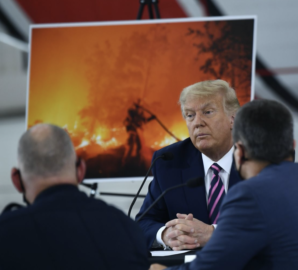
In its four years, the Trump administration managed to make a hash out of decades of efforts to slow climate change. But now we have President Biden, who some are calling the first “climate president.” Still, not everyone is thrilled with Biden’s record on the environment, and wonder whether his term will manage to repair the damage done under Trump.

It’s freezing this week in the United States. And not just in the normally winter-frigid Northeast or Midwest. In southern states like Texas and Oklahoma, it has been in the 20s or lower.
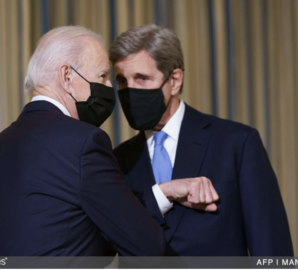
Climate activists in the U.S. are pinching themselves over what the newly inaugurated Biden administration is doing to address the climate crisis. Who would have thought that our first “climate president” would be Joe Biden?
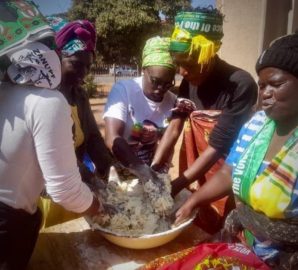
Household hunger in Zimbabwe used to be confined to rural districts, but in 2019, as the economy faltered, hunger took root in cities as well. Enter the rural women baking collectives — and the environmentalists who oppose them.

I believe there are three global crises that are related to the catastrophes of climate and the coronavirus: racial injustice, economic inequality, and a crisis of democracy.

Jane Fonda's call to action: There is still time for us to act to minimize the impact of the climate crisis. According to the U.S. Intergovernmental Panel on Climate Change, hundreds of millions of lives hang in the balance with every half degree of warming we either enable or avoid.

When Cyclone Winston ravaged the island nation of Fiji in 2016, it came with 185-mile-per-hour winds and a massive storm surge that displaced thousands, and took away the livelihoods of thousands more. Amid the downed palm trees and debris, people became hungry and desperate.
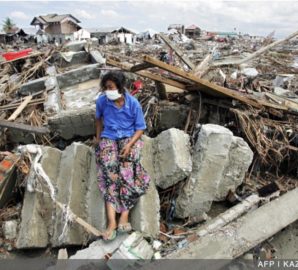
Poor countries often have broken governments, shoddy infrastructure, and few systems in place to help when there is a mass crisis — which is why the U.N. Development Program found that there is a severe difference in how people are harmed during a climate disaster, depending on whether they live in a developing or rich country.

A hurricane hits. The terror and stress caused by the imposing wind and rain affect nearly everybody’s mental health, but perhaps none more so than expectant mothers. Then that stress and the pollutants whipped up by the storm wreak havoc on their bodies, and their pregnancies.

Use our climate map to investigate the impact of climate change across the world on those it affects most: women, people of color, and indigenous and LGBTQ people.