
















The jury is out on whether coronavirus has spread more widely than it may have if the world were not undergoing climate change. It is not, however, when it comes to a rise in infectious diseases overall.

Just as the court has paved the way for states to deny essential reproductive health care, it has also cemented the country’s position as one of the biggest contributors to climate change in the world. The two cases are more connected than you may think.
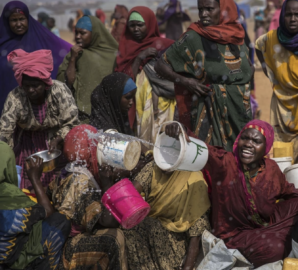
Among the horrors of the climate crisis is drought. In Somalia, in particular, it’s become too dry to grow crops, sustain livestock, or find fresh drinking water.
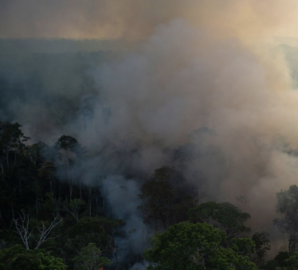
Perhaps it is no surprise that the people involved in that onslaught have found their ways into positions in which they can “legally” make decisions about the Amazon’s precious trees and fauna.
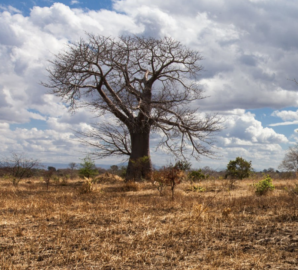
There is now evidence that can be used by countries who want to sue the heaviest polluters in the world: the United States, China, Brazil, Russia, and India.
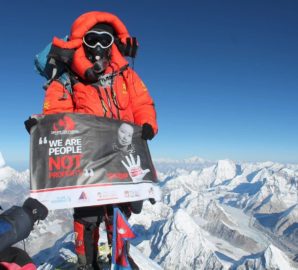
In 2019, a Nepali woman named Kanchhi Maya Tamang used her climb of Mount Everest to spread awareness about climate change. Her reasoning: “When we speak from the top of the world, our voices can be heard louder,” said Tamang, 31, who has summited Everest three times.
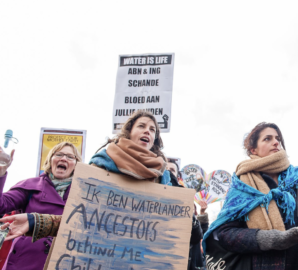
Because extractive industries are generally located in communities with the least power to fight their existence, people who live in areas mostly composed of indigenous people and people of color, among others, are poised to be hit hardest by a new reduction of environmental regulatory authority.

Throughout the Caribbean, from Jamaica to Dominica, developing island countries are suffering the misery of climate change, and they are doing so disproportionately to wealthy nations.
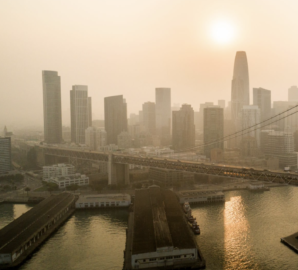
Climate change and inequality are locked in a perverse loop: Impoverished areas are home to pollutive NIMBY industries that release the gases that lead to more climate change, which in turn adversely affects these communities more than any other.

Before Peyton Gendron, 18, allegedly shot and killed 10 people in a Buffalo, N.Y., supermarket on Saturday, he posted a 180-page screed with the clear intention of killing “as many Blacks as possible.” But lesser publicized has been the fact that Gendron identified himself as an “ecofascist,” meaning he thinks people of color are taking up too much space on the planet, thus ruining the environment — and degrading his race.
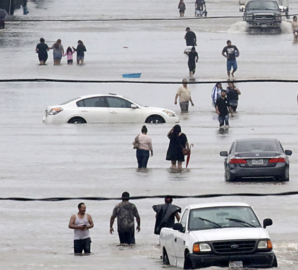
“Hurricanes don’t care if you’re rich, poor, white or black — but that doesn’t mean that every person is equally vulnerable to a storm.”

The future of climate change is here. Or at least it’s here if you’re in India. Or Pakistan.
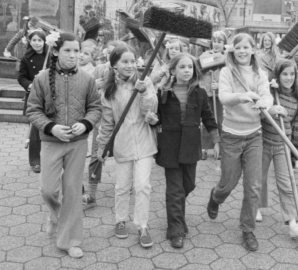
It’s Earth Day 2022. Since President Biden took office last year, the United States has had its first-ever climate czar in John Kerry, and an administration working to put back together the shattered pieces of the environmental Humpty Dumpty that Trump shoved off the wall.

There is perhaps no starker a picture of how incredibly environmentally reckless — or ignorant — Russian troops have been as they attack Ukraine.
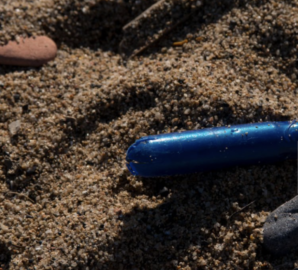
The argument against single-use plastic products neglects to consider people with disabilities, for whom reusable products can be too difficult to navigate.
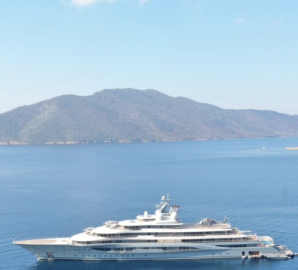
There has been a lot of talk in the fight against climate change about focusing on reducing emissions in the most pollutive countries, like China, the United States, and India. But a new report says we’re concentrating on the wrong thing. We should, researchers say, be looking instead at the most pollutive people.
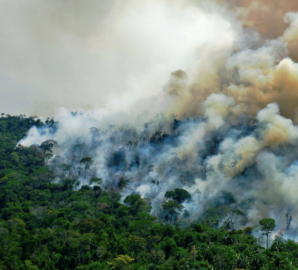
We’ve been hearing for a number of years now about the disastrous melting of the polar ice caps. The warming oceans. But there is one part of the world that may affect the speed of climate change sooner than any of these other nightmarish issues, even while it is a place that still appears lush and relatively healthy: the Amazon rainforest.

Last year, President Biden pledged to cut greenhouse gas emissions by half of 2005 levels by the end of the decade. Of course, this didn’t make the fossil fuel industry happy. But the march toward cleaner energy appears inevitable, as natural gas takes the place of coal, and wind and solar energy production ramps up to replace all fossil fuels.
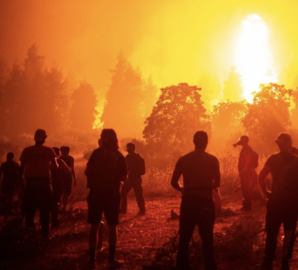
The past few years have brought some of the worst wildfires the world has ever seen. Between the United States, Australia, and Siberia, fires have eaten up millions of acres of land. Siberia’s 2021 fires alone burned more than all the others around the world combined, destroying more than 21 million acres of boreal forest — an area about the size of Serbia.
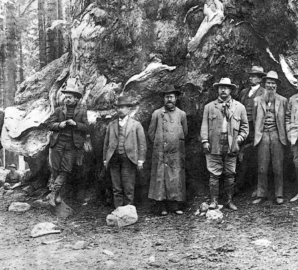
With the pandemic insanity of the last couple of years, you may have missed a controversy that toppled the head of the Sierra Club last summer.
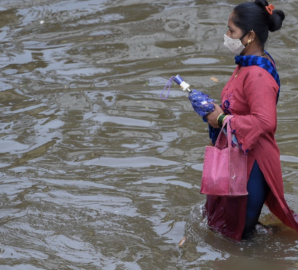
About 21 million people live in Mumbai, India. Between 2 and 3 million of them live within a half a mile from the Arabian Sea. And climate scientists predict that 80 percent of the land they live on may be under water by 2050 due to global warming.
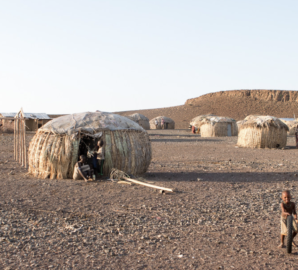
What do you do when your once-dry village suddenly turns into an island? When your only source of fresh drinking water disappears, and dangerous snakes, alligators, and hippos unexpectedly live too close for comfort?
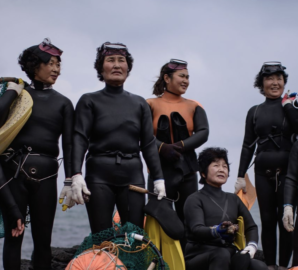
Haenyeo — female divers in South Korea — clad in wetsuits and occasionally pink-ringed eye masks, free-dive without oxygen for a minute at a time, hoping to harvest sea cucumbers, conchs, and abalones.
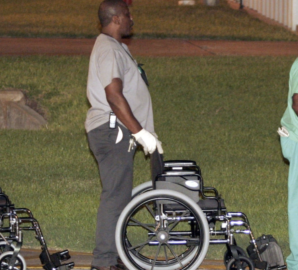
Everyone is affected by climate change. But some people — who are already less visible than others — are at greater risk of harm than most. People with disabilities face different and more intense challenges than non-disabled people in the face of events like extreme heat, wildfires, hurricanes, and droughts.