




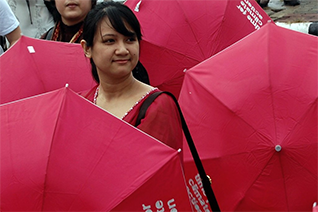











In May, a 16-year-old girl reported that she had been raped by at least 33 men armed with assault rifles and handguns in a favela, or slum, in the western part of Rio de Janeiro in Brazil. The girl said she believed she was drugged after she went to a party with her boyfriend on May 21. She woke up naked and wounded in a house, she said, surrounded by more than two-dozen men. The attack was so vicious it ruptured her bladder.

The woman looked uneasy and uncomfortable as she peered outside her tent. All she could see was an empty stretch with a few bushes, where men were taking turns to urinate. There were no facilities available for women. This was the situation nine months ago at the border of Serbia and Hungary, when I visited a refugee camp where men, women, and children were stuck for days. Unfortunately, not much has changed since then, and for one hidden segment of refugee society, life is even harder than this.

It was May, and I was at the Club de Periodistas de Mexico (Mexico Press Club), speaking with a group of female crime journalists in Mexico City about the challenges they face while reporting in the country.


At the Black Women’s Truth and Reconciliation Commission, women and men broke silence about sexual violence and worked toward forgiveness, healing, and justice.

When the Democratic Republic of Congo was dubbed the “rape capital of the world” in 2010 by Margot Wallström, the former UN special representative on sexual violence in conflict, understandably the government of DRC was not happy. Besides that, putting one country above all others when it comes to violence against women is a debatable move: So many places have horrifying records of rape and impunity for such cases. But Wallström had good reason for aiming her words at what is unambiguously a truly terrible place for women.


Refugees. Srebrenica. The siege of Sarajevo. Burning villages such as Ahmići and Stupni Do. The Omarska camp. Captured in these words are some of the most powerful and lasting images of the 1992-1995 Bosnian war. The media captured many of the crimes committed in this conflict, while one particular set of crimes typically occurred behind closed doors.
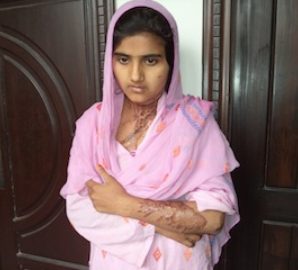
Five years after Pakistan passed a law to punish acid attacks, the violence continues even as more survivors seek justice.

- All Categories
- Arts and culture
- Body image and body standards
- Disability
- Economy
- Education
- Environment
- Feminism
- Free Speech
- Gender-based violence
- Girls
- Gloria Steinem
- Health
- Immigration
- International
- Jane Fonda
- LGBTQIA
- Media
- Misogyny
- Online harassment
- Politics
- Race/Ethnicity
- Religion
- Robin Morgan
- Science and tech
- Sports
- Violence against women
- WMC Loreen Arbus Journalism Program