
















Greece is experiencing a refugee crisis — and over half of these refugees are women and children waiting in camps to reunite with relatives or have asylum status approved by the Greek government. The Azadi Project teaches female refugees expertise in jobs related to multimedia communications and storytelling in order to promote their integration into the local labor force.

The Safe Schools for Girls Project, created by Care International, takes place in 174 Rwandan schools after regular classes end and aims to address issues related to gender-based violence through education.

Priscila Gama, a 34-year-old Brazilian architect and entrepreneur from wanted to do something to help women in the face of pervasive violence. In 2016, she and a team launched the Malalai app, which enables women to let pre-authorized friends follow their routes when moving around the city by any means, whether by foot, car, or public transportation.
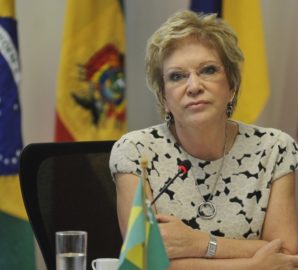
Suplicy, who is now 73, served in Brazilian politics for years. But even before her political career, Suplicy brought discussions of important issues straight to Brazilian homes through a television show called TV Mulher, during which Suplicy gave sex advice to female viewers in a political era of dictatorship.

Rape "jokes" made by a YouTube star are stirring controversy in Brazil, where a rape takes place every 11 minutes.

Brazilian author PJ Pereira tells the Fbomb about how his best-selling trilogy of books about the Orishas, gods that are part of the indigenous Yorubá tradition, are helping the belief system be re-examined in Brazilian culture.

A video of Brazilian supporters harassing a Russian woman during the Soccer World Cup shows the ugly side of machismo.

An average of more than 2500 people were murdered per year between 2008 and 2011 in Juarez, and female residents of the city have particularly been the targets of femicide, or killing women because of their gender. Yet experts estimate that only one out of every four cases of murdered women in Juarez are even investigated by authorities, and criminal charges were only filed in 2 percent of those cases.

Brazilian TV star Barbara Thomaz says she was fired after taking maternity leave and reporting harassment by one of her superiors. Her experience isn't unusual.

Operation Condor, a France and U.S.-endorsed campaign of torture in South America, is long over. But the brutality it wrought still echoes today.

By 17 years old, Brazilian swimmer Joanna Maranhão had already broken her country’s record by taking fifth place in the 400 meters at the 2004 Athens Olympic Games. Four years later, memories of the sexual abuse Maranhão suffered at nine years old at the hands of a former swim coach had come back to haunt her.

Kunumí MC is a teenage rapper calling attention to the struggles Indigenous people face in Brazil.
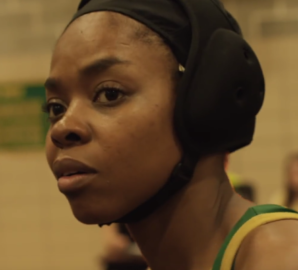
First Match (2018), the first feature film by writer-director Olivia Newman, tells the story of Monique a girl who competes on an all-boys wrestling team while simultaneously juggling the foster care system, school, and getting back in touch with her absent father.


Medeiros is the supervisor of the wrestling program at São Paulo’s Training and Research Olympic Center (Centro Olímpico de Treinamento e Pesquisa or COTP) in Brazil. She is also the first African-Brazilian woman to serve in this role.
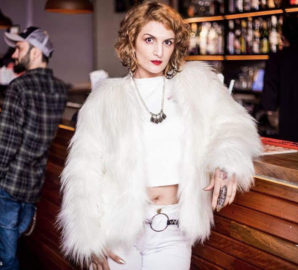
When in August Brazilian writer and feminist activist Clara Averbuck refused the advances of an Uber driver, he physically threw her out of his car, leaving her bruised and with a black eye. He then sexually assaulted her as she lay on the ground.

On December 14, 2016, 23-year-old feminist activist Débora Soriano de Melo was bludgeoned to death with a baseball bat in a bar in São Paulo, Brazil. There was evidence that the young activist suffered sexual abuse that same night. Detectives suspected Willy Gorayeb Liger, a manager of the bar, in the assault and called for his arrest on rape charges.

Within the first few days after Sandra Moreno’s daughter, Ana Paula, disappeared in 2009, Moreno reached out to a TV crew a few blocks from her home in the lower-middle-class neighborhood of Carapicuíba, in the Brazilian state of São Paulo.

In May, a 16-year-old girl reported that she had been raped by at least 33 men armed with assault rifles and handguns in a favela, or slum, in the western part of Rio de Janeiro in Brazil. The girl said she believed she was drugged after she went to a party with her boyfriend on May 21. She woke up naked and wounded in a house, she said, surrounded by more than two-dozen men. The attack was so vicious it ruptured her bladder.