
















WMC News & Features
UK Moves to Criminalize Forced Marriage
Forced marriage, an oppression particularly targeting girls in South Asian cultures, must be addressed by Western governments as well, argues author Shiuan Butler.

WMC News & Features
"Having it All?"—The Wrong Question for Most Women
As it has done at least once a decade for the past 40 years, the media seems intent on pitting women against each other in a "Having it All" debate about work inside and outside the home. Author and organizer Ellen Bravo explains why the discussion defies reality.

WMC News & Features
“We Are the Girls from Seton High”
Overcoming her ambivalence, multi-media journalist Mary C. Curtis finds comfort and acceptance at her high school reunion.

WMC News & Features
Burmese Nobel Laureate after 21 Years
The author recalls her time in Burma just before the military coup that kept Aung San Suu Kyi from accepting her Nobel Peace Prize for two decades.

WMC News & Features
Ms. Is Celebrated in the City of its Birth
Four decades after its birth as the nation's first feminist mass-market magazine, Ms. was honored this week by the New York City Council. Shelby Knox writes of its continuing advocacy.

WMC News & Features
Women of the Roundtable
A discussion in Washington, D.C., last week brought together women representing the necessary elements to drive forward the National Action Plan on Women, Peace and Security.

WMC News & Features
Nuns Mad As Hell
As a group of nuns plans to crisscross the country to highlight their work with the poor and powerless, Adele M. Stan explains why we may be witnessing a catalyzing moment in U.S. Catholic history.
WMC News & Features
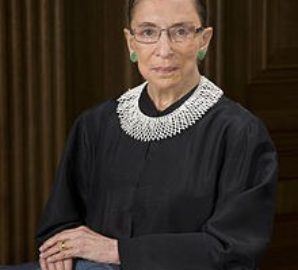
Justice Ginsburg Should Continue to Raise Her Vital Voice
The author of a new book on the rhetoric of women on the Supreme Court argues that the nation needs to continue hearing the voice of Ruth Bader Ginsburg from her hard-won position on the high court.

WMC News & Features
June 01, 2012 | Elayne Clift |
Violence against women
When “Jane” Comes Marching Home Again
In May the Army began a new Defense Department policy that will open an additional 14,000 positions for women. Will we be ready for them when they come home?
WMC News & Features
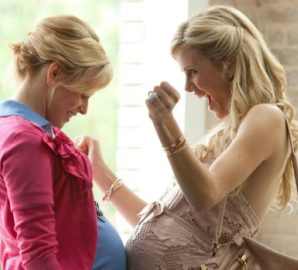
Childbirth Hollywood Style
Okay, it's a comedy. But does the most recent pregnancy-themed film have to trivialize women by ignoring any and all real issues about giving birth?

WMC News & Features
Women Work to Save Preventive Care Gains
A fund designed under the Affordable Care Act as an investment in prevention, thus saving future health expenses and enriching people's lives, is under non-stop attack in Congress.
WMC News & Features
Beware the Cannes Festival-Gates Foundation Connection
Women Make Movies cofounder Ariel Dougherty, now initiator of Media Equity Collaborative, calls on viewers to join a growing feminist protest against the absence of women directors at Cannes. She warns about gender bias in jury and funding selections that exists beyond film festivals.
WMC News & Features
Misogynistic Ads and the Oxygen of Publicity
Retro-sexist advertising may be presented as ironic, but it features the same, familiar images feminists rallied against decades ago, argues the author. What to do?
WMC News & Features
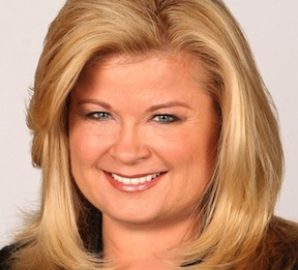
Oprah Winfrey’s OWN Network
OWN President Sheri Salata is optimistic about the direction Winfrey has chosen for her network, and about the potential of multi-platform programming.

WMC News & Features
A Mother's Day Conundrum
Psychologist Paula Caplan describes the complicated balancing act involved in honoring her mother while caring for her.
WMC News & Features
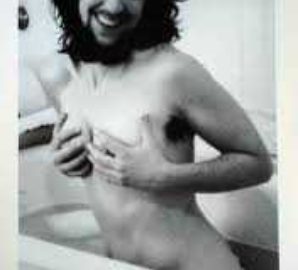
My Mom and the Bearded Lady
The author's mother has given her an early exposure to a diverse collection of women, which serves her well as a writer and strategic activist.

WMC News & Features
May Day with Occupy Oakland
The author describes the Occupy movement's action in Oakland last week, in light of a very different mood in the city that greeted the general strike called six months ago.

WMC News & Features
Why Bad Sex Is Good—On HBO's "Girls"
WMC's Madeleine Gyory argues that the new HBO show makes room for realistic complications of forging sexual relationships.

WMC News & Features
For "Birthers," Honolulu Mom an Inconvenient Truth
Eleanor Nordyke, who spent her career improving women's reproductive health, has an answer for those who still contend that President Obama was born outside the country: she happened to be on the scene in Honolulu.
WMC News & Features
Young Feminists Go Live to Protect Women's Reproductive Rights
Young feminists, whose presence in the current War on Women plays out largely online, plan to emerge from the virtual world with rallies in Nashville and other state capitals April 28.

WMC News & Features
Young Women's Caucus—A Promising Sign at UN Commission Meeting
While the recent UN Status of Women Commission sessions failed to reach consensus on recommendations for rural women, young women moved forward, impressing the author with their leadership potential.

WMC News & Features
Victory for Prevention?
As we celebrate Earth Day this Sunday, the author is cautiously optimistic about a new era with a healthier environment.

WMC News & Features
Lawmakers Turn Back the Clock on Women's Rights
On this year's Equal Pay Day, Linda Meric, the executive director of 9to5, National Association of Working Women, explains why pay equity is an economic plus for the United States.
WMC News & Features
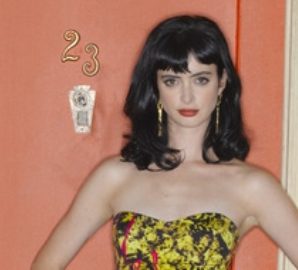
To "Bitch" or Not to "Bitch"
Rosalie Maggio, the author of the best seller "How to Say It," explores the use and meaning of a word front and center with a new ABC comedy.
WMC News & Features
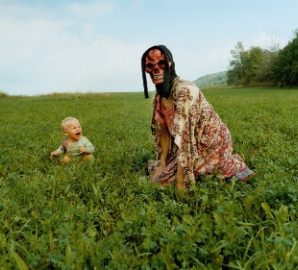
Breaking in Two—Exploring Images of Motherhood
Carrying the subtitle, "A Provocative Vision of Motherhood," this group show in Santa Monica, California, explores the dual roles of artist and mother.